Essential Tips for Flipping Houses in New Jersey
Flipping houses in New Jersey can be a practical way to build a short-term real estate business if you know how to source deals, estimate repair costs, manage timelines, and exit cleanly. This guide explains the basics for beginners, including how to evaluate distressed real estate opportunities, use lead generation services, and decide whether to renovate, wholesale, or assign a contract.

Phillip WarrickWatch video →Webinar press release →
What does flipping houses in New Jersey really involve?
Property flipping is a short-term real estate strategy: buy a property, fix or upgrade it, and resell it quickly for a profit. In the New Jersey real estate market, that usually means finding a distressed property below market value, estimating ARV, managing repair costs, and selling to an owner-occupant or investor. For some real estate flippers, the goal is a full fix-and-flip; for others, the cheapest way to flip a house may involve no renovations through Assigning Contracts.
Start by understanding your flip model
Before you find a Deal, decide what kind of house flipping business you are building. A fix-and-flip investor buys, renovates, and resells. A wholesaler gets a property under contract, then seeks a cash buyer to assign the contract for a fee. Both models can work, but they require different capital, risk tolerance, and timelines.
For beginners asking how to flip houses, the safest starting point is education and conservative numbers. Learn neighborhood pricing, permit expectations, buyer demand, and common repair issues before making offers. Flipping homes in NJ can be rewarding, but it is not just buying a Cheap house for sale and hoping the spread works.

Nancy Wallace-LaabWatch video →Read press release →
Deal flow matters more than motivation
Finding Deals is the heart of Flipping Houses New Jersey. Public listings can be competitive, so many investors look for Off-market real estate, direct property leads, and verified off-market Leads before properties hit the open market. A regional real estate platform like ForeclosuresDaily, or ForeclosuresDaily.com’s off-market real estate platform, may help investors research seller lists, foreclosure activity, and investment properties in NJ.
Useful lead generation sources can include:
- Verified Probate Leads and Inheritance Leads: Heirs are Motivated Sellers who want to Liquidate Fast! When they do not want to manage, repair, or hold inherited property.
- Life Leads and Life Leads FSBO: Life events, FSBO sellers, relocation, and landlord fatigue can create motivated seller conversations.
- Driving for Dollars: Physically identify vacant, neglected, or distressed homes, then research owners and reach out respectfully.
- Realtor lead generation: Agents may know owners who need speed, certainty, or a cash buyer instead of a traditional listing.
- Accessing lists: Targeted real estate lead generation can focus on absentee owners, probate, tax issues, FSBO, or other motivated seller categories.
Lead Gen Services, a lead generation platform, or lead generation services can save time, but the value still depends on follow-up. Finding and converting motivated seller leads requires clear messaging, consistent contact, and a realistic offer.

Carolynn CastilloWatch video →Webinar press release →
How do you run the numbers before making an offer?
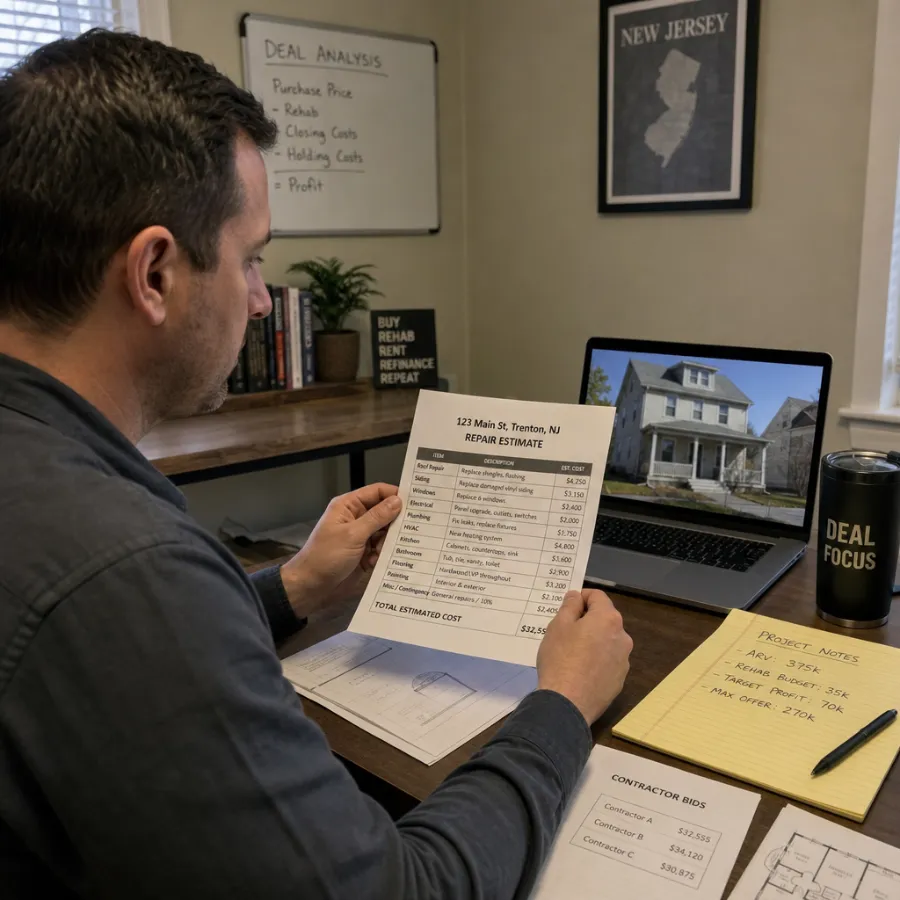
Start with ARV (after-repair value), then subtract repair, buying, holding, and resale costs, and your required profit. The 70% Rule: Never offer more than 70% of the ARV minus estimated repairs. It is not perfect, but it keeps beginners from overpaying when repair surprises, delays, or market shifts appear.
Use this quick offer checklist before you sign a purchase contract:
- Confirm ARV: Compare similar sold properties, not active listings.
- Estimate repairs carefully: Add a contingency for hidden issues.
- Check your exit: Will you retail, rent, wholesale, or sell to another investor?
- Build Your Buyers List: If wholesaling, know who may buy before you contract.
- Plan the Holding Timeline: The average flip takes about 5.5 months. Minimizing this timeline reduces mortgage, utility, and insurance costs.
- Buy Right: Buying a distressed property only works when the discount compensates for the risk.
Fast turnarounds matter because every extra month can reduce profit. Utilities, insurance, taxes, financing, and contractor delays all affect the final outcome.

Joe CreasyWatch video →
Can you flip real estate with no money?
You can sometimes flip real estate without money by wholesaling, partnering with a capital provider, or using Contract Assignments instead of buying and renovating the property yourself. In that model, you find a distressed property, negotiate with the seller, sign a purchase contract with assignable terms, find a cash buyer, assign the contract, and collect your profit at closing. This is beginner-friendly compared with heavy renovation, but it still requires skill, compliance, seller trust, and strong buyers.
Low capital requirements do not mean no work is needed. You must understand contracts, local rules, buyer expectations, and ethical communication. If you cannot perform, do not tie up a seller’s property to “see what happens.”

Antonio StringfieldWatch video →
Ready to start? Talk to our team about leads in your market →
Motivated Sellers Who Want to Liquidate Fast
Every lead starts with a life event that gives the owner a reason to sell. Click any lead type to see our products.
Probate Leads
Estates in probate, where executors and heirs often need to sell the property to settle the estate.
View lead products →
Foreclosure Leads
Pre-foreclosure filings for homeowners facing a deadline, where a quick sale can protect their equity.
View lead products →
Divorce Leads
Divorce filings where the marital home must be sold or divided, often on a court timeline.
View lead products →
Inheritance Leads
Heirs who have inherited a property, often while living out of state, and would rather sell than manage it.
View lead products →
Life Leads
Owners facing major life changes, such as a move or downsizing, who need a fast sale.
View lead products →
Make seller conversations clear and respectful
Motivated sellers are not just “leads.” They may be dealing with probate, repairs, vacancy, divorce, relocation, financial pressure, or landlord fatigue. Your job is to understand whether a fast, simple sale solves a real problem.
A good conversation should cover:
- Property condition and needed repairs
- Seller timeline and reason for selling
- Existing mortgage, taxes, liens, or title concerns
- Whether the seller wants speed, price, certainty, or convenience
- Your next step, whether that is an offer, inspection, or referral
This is where targeted real estate lead generation becomes valuable. The better your data and follow-up, the easier it is to match the right offer with the right seller.

Kaylee HarrisWatch video →
Is flipping houses worth it in New Jersey?
For investors asking “flipping houses is it worth it,” the answer depends on acquisition price, repair control, exit strategy, and your ability to move quickly. Why flipping houses is a good idea for some investors is simple: it can create active income, teach market discipline, and turn distressed housing into usable inventory. But it also carries risks, especially when you overestimate resale value or underestimate repair costs.
To protect yourself, keep a simple rule: profit is made when you buy, not when you sell. If the deal only works under perfect conditions, it is probably not a deal.

Kevin SaylesWatch video →
Key takeaways for New Jersey flippers
Flipping houses in New Jersey rewards investors who combine strong lead sources, careful math, and disciplined execution. Whether you flip houses in NJ through renovation, wholesale assignment, or another strategy, focus on direct property leads, verified real estate leads, and realistic numbers.
If you are wondering how much you can make flipping houses in New Jersey, the honest answer is that every deal is different. Your profit depends on ARV, repairs, financing, holding time, buyer demand, and how well you bought the property. Start small, learn the process, and build a repeatable system before scaling your real estate flipping business.
Get Off-Market Leads Before Your Competition
ForeclosuresDaily.com has supplied off-market real estate leads since 2004 on a nationwide platform. Reach motivated sellers before their homes are listed on the MLS.
Get Started →