Customized Leads · Since 2004
Customized Real Estate Leads: Win More Listings
Customized real estate leads help agents focus on the people most likely to need their expertise, instead of chasing every name on a generic list. For agents who want to win listings, build a stronger pipeline, and spend less time sorting through poor-fit contacts, a customized approach turns lead generation into a strategic daily habit.
The goal is simple: connect the right agent with the right homeowner at the right moment.
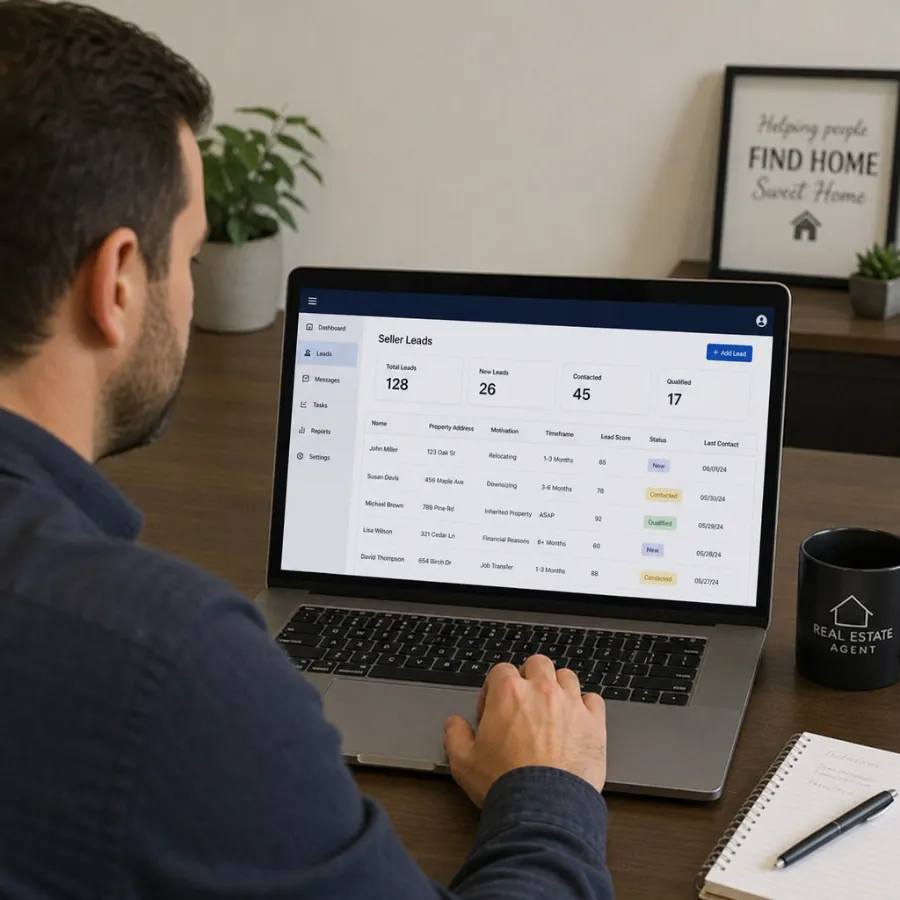
Why do customized real estate leads matter?
Customized real estate leads matter because real estate is local, personal, and timing-driven. A homeowner planning to sell, an owner dealing with a distressed property, a landlord planning to exit, and a FSBO seller testing the market each need a different conversation. When agents rely on broad, one-size-fits-all data, they waste time on contacts outside their market, price point, service area, or listing goals.
A customized lead strategy gives agents a clearer path. Instead of asking, “Who can I call today?” agents can ask, “Which opportunities best fit the way I help sellers?” That shift makes outreach more relevant, follow-up more natural, and conversations more useful for the homeowner.
The problem with generic real estate lead lists
Generic lead lists look attractive because they promise volume, but volume alone rarely creates momentum. A long spreadsheet of names may include outdated contacts, people outside your target area, properties that don’t fit your criteria, and homeowners with no clear reason to sell.
This creates several practical problems:
- Low relevance: The agent has to manually filter contacts before meaningful outreach can begin.
- Inconsistent motivation: Some leads may have no active reason to speak with an agent.
- Weak personalization: Outreach sounds generic because the lead source offers little context.
- Follow-up fatigue: Agents may abandon campaigns when too many contacts yield no response.
- Missed listing opportunities: Time spent on poor-fit leads can distract from homeowners who need timely help.
Better real estate lead solutions start with fit. The more closely a lead source matches your area, niche, and listing plan, the easier it is to start real conversations.
What makes a real estate lead “customized”?
A real estate lead is customized when it is selected, filtered, or organized around your business goals. That can include geography, property type, the seller’s situation, ownership signals, equity indicators, distressed properties, investor activity, or homeowners more likely to consider selling. The point is not just to collect data; it is to turn that data into a useful action list.
In a personalized real estate strategy, agents can prioritize leads based on the type of listings they want to win. One agent may focus on homeowners in a specific neighborhood. Another may want off-market seller opportunities. Another may build a campaign around FSBO leads, absentee owners, or pre-foreclosure conversations. Each approach requires a different message, timeline, and follow-up rhythm.
That is where bespoke lead generation becomes valuable. It helps you stop treating every contact the same and match your outreach to each homeowner’s likely situation.
Seller leads work best when they include context
Seller leads are more useful when you understand why a homeowner may be worth contacting. A name and phone number may start the process, but context shapes the conversation. Is the owner trying to sell without representation? Is the home potentially off-market? Is there a foreclosure-related signal? Is the owner local or out of the area? These details influence the tone and timing of your outreach.
For example, a homeowner exploring a FSBO sale may need support with pricing, exposure, negotiations, and buyer qualification. A distressed property owner may need a calmer, more educational approach. An absentee owner may care more about convenience, repairs, tenant issues, or timing. A customized lead system helps agents separate these situations so they can communicate with more care and relevance.
Strong lead generation for real estate agents should do more than deliver contacts. It should help you know where to begin, what to say, and how to prioritize follow-up.
Using off-market opportunities to list more homes
Off-market opportunities matter for agents who want to list more homes, because they let you act before competitors join the conversation. Many homeowners consider selling long before they list publicly. Some are quietly exploring options, and others don’t know whether selling is realistic until they talk with a knowledgeable local agent.
ForeclosuresDaily.com’s off-market real estate platform targets these opportunities, helping agents focus on leads that don’t appear in standard listing channels. For agents who want a more targeted prospecting workflow, off-market data makes it easier to reach owners who may need guidance, options, or a clear next step.
This doesn’t mean every off-market lead is ready to sign a listing agreement today. It means you can build relationships earlier. When your outreach feels helpful rather than pushy, you become a trusted resource, often before the seller interviews several competitors.
How should agents use FSBO leads in a customized strategy?
Agents should approach FSBO leads with a service-first mindset. Many owners start as FSBO sellers to keep control, save money, or test demand. A customized strategy recognizes that these homeowners may not want an aggressive sales pitch on the first contact. They may respond better to practical help, market insight, and a clear explanation of what professional representation can solve.
A strong FSBO outreach plan might include:
- Research the property before contacting the owner. Understand the location, apparent price range, days on market (if available), and any obvious marketing gaps.
- Open with a helpful observation. Mention a market factor, buyer question, or selling challenge relevant to the property.
- Offer value without demanding commitment. This may include a pricing review, exposure strategy, or conversation about qualified buyers.
- Respect the seller’s current plan. If they want to try FSBO first, keep the relationship open.
- Follow up consistently. Many FSBO owners become more open to agent support after experiencing limited traffic, difficult negotiations, or uncertainty.
The best FSBO leads are not just “for sale by owner” records. They are opportunities to demonstrate expertise at a moment when the seller is already seriously considering a transaction.
Ready to start? Talk to our team about leads in your market →
Distressed Real Estate Leads
Motivated Sellers Who Want to Liquidate Fast
Every lead starts with a life event that gives the owner a reason to sell. Click any lead type to see our products.
Probate Leads
Estates in probate, where executors and heirs often need to sell the property to settle the estate.
Foreclosure Leads
Pre-foreclosure filings for homeowners facing a deadline, where a quick sale can protect their equity.
Divorce Leads
Divorce filings where the marital home must be sold or divided, often on a court timeline.
Inheritance Leads
Heirs who have inherited a property, often while living out of state, and would rather sell than manage it.
Life Leads
Owners facing major life changes, such as a move or downsizing, who need a fast sale.
A practical workflow for customized lead follow-up
Customized leads only create value when agents work them consistently. The system does not need to be complicated, but it should be intentional. A clear workflow helps prevent good opportunities from slipping away after a single unanswered call or email.
Use this simple framework:
- Segment first: Group leads by source or situation. Examples include FSBO, off-market, foreclosure-related, absentee owner, or neighborhood prospects.
- Create a message for each segment: Avoid using the same script for every homeowner. Tailor the opening around their likely concern.
- Choose a follow-up cadence: Combine calls, texts, emails, direct mail, and market updates where appropriate.
- Track every interaction: Note objections, timing, property details, and preferred communication style.
- Rank motivation: Separate immediate opportunities from long-term nurture contacts.
- Review results weekly to identify which lead types are generating conversations, appointments, and listing opportunities.
This workflow turns real estate lead solutions into a daily business development engine. It also helps agents stay organized, especially when managing active clients, showings, listing presentations, and marketing tasks at once.
Personalized outreach makes the difference
Personalization does not mean writing a brand-new message from scratch every time. It means making each contact feel relevant to the homeowner’s situation. A seller can usually tell when an agent is reading from a generic script. They can also tell when an agent has taken time to understand the property and the decision ahead.
Useful personalized outreach may reference:
- The neighborhood or local market conditions
- The property type or ownership situation
- A possible challenge the seller may be facing
- The difference between selling alone and listing with support
- Options for timing, preparation, pricing, or exposure
For example, instead of saying, “I work with buyers in your area,” an agent could say, “I noticed your property fits a specific buyer profile, and I can share what similar sellers do to attract serious buyers.” The second approach gives the homeowner a reason to keep listening.
This is where customized real estate leads and skilled communication come together. The lead source creates the opening, but the agent’s insight creates the relationship.
Choosing better real estate lead solutions
Not every platform or list will fit every agent. Before investing time in a lead source, agents should think carefully about how it supports their actual listing strategy. A lead solution is only useful if it helps the agent take clearer, faster, and more relevant action.
Consider these questions before choosing a lead generation approach:
- Does it support the locations where you actively want listings?
- Does it help identify Seller Leads rather than general consumer traffic?
- Can it support off-market prospecting or early seller conversations?
- Does it include lead types that match your strengths, such as FSBO, foreclosure-related, or neighborhood farming?
- Can you organize contacts into practical follow-up groups?
- Will the data help you create more relevant outreach?
Agents who want to win listings need more than names. They need a repeatable process for finding, prioritizing, contacting, and nurturing homeowners, and the right solution should make that process easier, not more complicated.
Customized real estate leads support long-term listing growth
The most successful listing strategies aren’t built on random bursts of prospecting. They’re built on consistent, targeted action. Customized real estate leads help you stay consistent and focus your time on the best opportunities, which makes meaningful conversations more likely.
This approach also strengthens an agent’s positioning. When outreach is specific, the agent sounds more prepared. When follow-up is organized, the homeowner experiences reliability. When lead categories match the agent’s expertise, listing presentations become more relevant and persuasive.
Over time, this helps you build a stronger seller pipeline. Some homeowners are ready now, while others need weeks or months. A customized system keeps you engaged throughout that decision cycle and reduces your reliance on sellers who are already shopping publicly for representation.
Turning leads into listings starts with focus
Customized lead generation isn’t about chasing every possible homeowner. It’s about choosing better opportunities, understanding each seller’s likely situation, and communicating with purpose. For agents who want to list more homes, that focus makes prospecting feel less random and more strategic.
ForeclosuresDaily.com’s off-market platform, FSBO leads, and other targeted lead solutions can all help you build a smarter listing pipeline. Agents succeed when they pair the data with consistent follow-up and genuine local expertise.
Start with the sellers you can help most. Tailor your message to their needs. Build a system you can use every week. That is how lead generation becomes more than a list. It becomes a path to better conversations and more listing opportunities.
Get Customized Leads Before Your Competition
ForeclosuresDaily.com has supplied off-market real estate leads since 2004 on a nationwide platform. Reach motivated sellers before their homes are listed on the MLS.