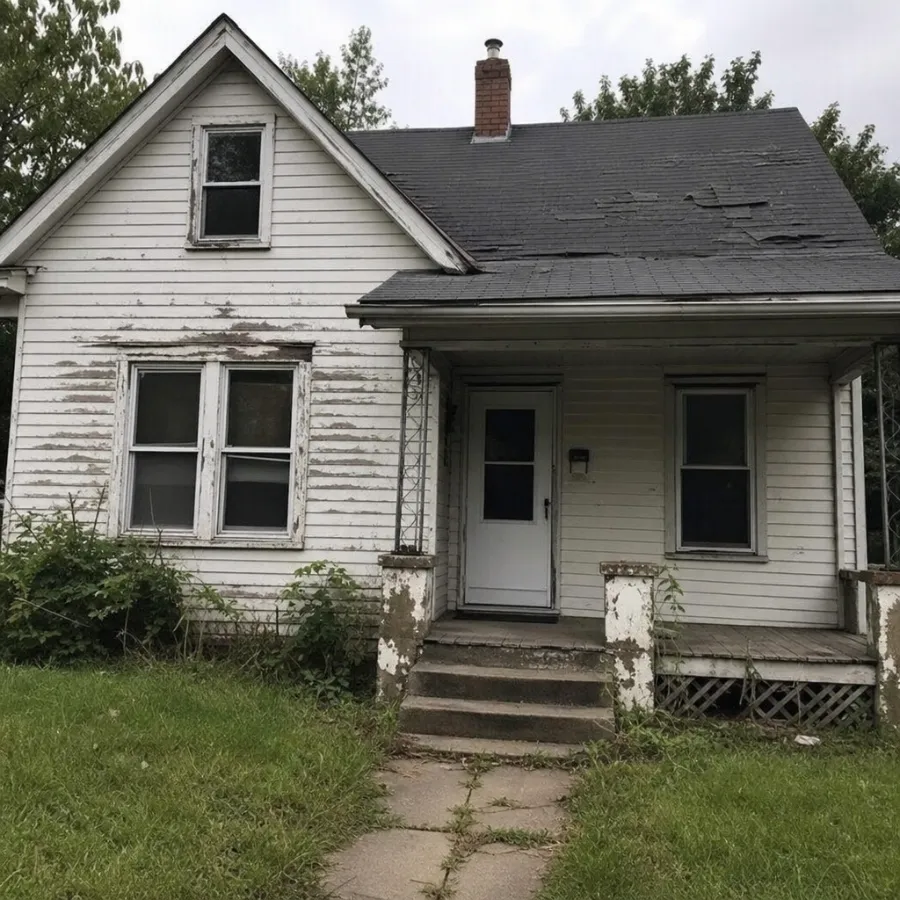
Understanding the Value of Distressed Properties
Distressed real estate can offer opportunity, but the value is rarely as simple as a low asking price. Buyers, investors, agents, and owners need to understand condition, motivation, legal status, repair costs, financing, and resale potential before deciding whether a Distressed property is a bargain or a liability. This guide explains how distressed properties for sale are evaluated in the U.S. market, where distressed property leads come from, and how to approach deals with a practical, risk-aware mindset.
What makes a property distressed?
A property is generally considered distressed when the owner, the asset, or both are under pressure. The home or building may need major repairs, the owner may need to sell quickly, or the property may be tied to foreclosure, Divorce, Inheritance, Pre-probate, tax issues, vacancy, or deferred maintenance. In plain terms, distressed real estate is not automatically “cheap”; it is real estate with a problem that must be solved.
That problem is exactly why investors pay attention. Fixer-upper homes, rehab properties, and value-added properties may be priced below comparable move-in-ready assets because the next buyer must contribute capital, time, skill, or risk tolerance. A cash buyer for distressed property may move faster than a traditional buyer because they can avoid some financing delays, but speed does not replace due diligence.
For sellers, distress can mean limited options. A homeowner facing repairs, a private house sale after a family transition, or a looming foreclosure may prioritize certainty and timing over maximum retail price. For buyers, that creates a potential opening, but only when the numbers account for the full cost of ownership.
The real value is in the spread between risk and potential
The value of a distressed property is measured by the gap between what it costs to acquire, repair, hold, and exit the asset and what the property can realistically be worth afterward. A low purchase price matters, but the best opportunities are usually defined by the quality of the spread, not the size of the discount alone.
For example, a Cheap house for sale may look attractive until you factor in foundation work, roof replacement, permitting, utility issues, taxes, insurance, and months of holding costs. On the other hand, a modestly discounted home in a strong neighborhood may be a better investment property if repairs are predictable and resale demand is consistent.
Distressed commercial property for sale follows the same principle, but the inputs may differ. Instead of focusing only on bedrooms, bathrooms, and curb appeal, buyers may analyze tenant quality, lease terms, zoning, parking, environmental concerns, building systems, and income potential. Whether the asset is a small single-family home or a commercial building, value is created when the buyer understands the problem better than the market does.
Common sources of distress
Distress can come from many situations, and each one affects negotiation and timing differently:
- Physical condition: Major home improvement needs, code issues, damage, old systems, or neglect.
- Financial pressure: Missed payments, tax liens, foreclosure deals, or owners needing a fast sale.
- Life events: Divorce, Inheritance, Relocation, Job Loss, or Family Changes.
- Estate-related timing: Pre-probate or inherited property situations where heirs may not want to manage repairs.
- Vacancy or abandonment: Empty properties can deteriorate quickly and may attract municipal attention.
- Underperformance: Commercial or rental properties with poor management, below-market rents, or high expenses.
Understanding the source of distress helps buyers make better offers and helps sellers choose the right path. A property with cosmetic damage calls for a different strategy than a property with title complications or serious structural concerns.
Why distressed properties attract investors
Distressed properties attract investors because they can create room for forced appreciation. Instead of waiting for the market to rise, an investor may improve the property, resolve a legal or logistical issue, reposition the asset, or return it to productive use. This is the foundation of property flipping, rental repositioning, and many renovation projects.
The appeal is practical. A buyer may purchase a dated home, complete repairs, and resell it to an owner-occupant. Another investor may buy a neglected duplex, improve the units, and hold it as a rental property. A small business owner may see a distressed commercial property for sale as a chance to own space rather than lease.
Still, the same opportunity that creates upside also creates exposure. Distressed properties often have less certainty than traditional listings. Information may be incomplete, sellers may be under stress, timelines may be tight, and repair estimates may change after inspections. Smart investors treat the discount as compensation for risk, not as guaranteed profit.
Where value can be created
A distressed property may become more valuable when the buyer can:
- Repair visible damage such as flooring, paint, fixtures, roofing, or landscaping.
- Correct functional problems like outdated layouts, plumbing failures, electrical issues, or HVAC deficiencies.
- Improve marketability through cleaning, staging, curb appeal, and better presentation.
- Resolve ownership complexity tied to Inheritance, Divorce, or estate timing.
- Stabilize income by improving rental operations, reducing vacancy, or addressing deferred maintenance.
- Move quickly when a seller needs certainty, and the buyer can close without extensive contingencies.
The key is that value creation should be specific. “Needs work” is not enough. Investors should know what work is needed, what it will cost, who will do it, how long it will take, and what the property is likely worth when complete.
How do you find distressed property opportunities?
The best way to find distressed property is to use multiple lead sources at once, then carefully verify each opportunity. Public records, local agents, off-market real estate tools, foreclosure data, direct outreach, wholesalers, auctions, and networking can all produce distressed property leads. No single source is perfect, so serious buyers usually build a repeatable system.
Online searches for “how to find distressed property” often lead to the same broad categories: listed properties, off-market leads, auctions, and owner-direct opportunities. A ForeclosuresDaily off-market real estate Platform or similar lead platform may help investors identify potential opportunities faster, while a distressed property realtor can help interpret local market conditions, pricing, and transaction risks.
Lead sources worth understanding
- MLS listings: Some distressed properties for sale are listed publicly as fixer-upper homes, as-is homes, bank-owned properties, or short-sale opportunities.
- Foreclosure data: Foreclosure deals can appear at different stages, from pre-foreclosure to auction to bank-owned property.
- Public records, such as tax delinquency, code violations, probate filings, and ownership changes, may indicate motivated sellers.
- Estate and Inheritance situations: Heirs may prefer to sell rather than maintain or renovate a property.
- Pre-probate research: Some investors monitor estate-related signals, while staying careful, respectful, and compliant with local rules.
- Direct-to-owner marketing, letters, calls, or digital outreach, can uncover a Private house sale before it reaches the open market.
- Wholesalers and investor networks can provide access, but buyers must still verify the numbers independently.
- Driving for dollars: Physically identifying vacant or neglected homes remains common in many U.S. markets.
- Specialized platforms: The best platforms for distressed property leads usually combine data access, filtering, ownership details, and workflow tools, but users should evaluate coverage and accuracy for their target counties.
Finding leads is only the first step. The advantage comes from quick filtering, realistic offers, and avoiding properties where the unknowns outweigh the upside.
Evaluating a distressed property before making an offer
A disciplined evaluation protects buyers from confusing activity with opportunity. Before making an offer, estimate the after-repair value, repair budget, transaction costs, holding costs, financing costs, and target profit or equity position. If the property is intended as a rental, also analyze income, vacancy, repairs, management, and reserves.
For property flipping, the after-repair value is especially important. It should be based on recent comparable sales, not wishful thinking. The best comps are usually nearby, similar in size and style, recently sold, and close in condition to the finished product you plan to create.
For long-term investment properties, resale value still matters, but cash flow and durability matter too. A beautifully renovated home can still be a poor rental if taxes, insurance, maintenance, and debt service consume the income. Distressed real estate rewards buyers who can think beyond the purchase price.
A practical due diligence checklist
Before committing, review as many of these items as possible:
- Property condition: Roof, foundation, structure, plumbing, electrical, HVAC, windows, drainage, mold, pests, and safety hazards.
- Title and ownership: Liens, unpaid taxes, judgments, estate issues, ownership disputes, or missing signatures.
- Local rules: Permits, zoning, occupancy limits, rental regulations, historic restrictions, and code enforcement.
- Repair scope: Written contractor estimates, material costs, labor availability, and contingency reserves.
- Exit strategy: Flip, rent, wholesale, owner-occupy, redevelop, or hold for appreciation.
- Financing: Cash, hard money, private money, conventional financing, renovation loans, or seller financing.
- Timeline: Closing date, renovation duration, inspection periods, permitting delays, and resale seasonality.
- Market demand: Buyer appetite, rental demand, neighborhood trends, school zones, commute patterns, and competing inventory.
When any of these items cannot be verified, the offer should reflect that uncertainty. A distressed property with limited access, unclear title, or unknown repairs requires a wider margin than a property with clean documentation and full inspection access.
Financing changes the deal structure
Financing can determine whether a distressed property is even purchasable. Some fixer-upper homes do not qualify for standard mortgage financing because of condition issues, missing utilities, safety hazards, or appraisal concerns. That is why sellers often look for a cash buyer for distressed property, especially when speed and certainty matter.
Cash is not the only option, though. Investors may use hard money loans, private loans, home equity lines, renovation loans, business credit, partnerships, or seller financing. Each option has trade-offs. Faster capital may cost more, while cheaper financing may require more paperwork, longer timelines, and stricter property standards.
Buyers should compare financing based on the full deal, not just the interest rate. Points, fees, draw schedules, inspection requirements, extension fees, and prepayment terms can affect whether the numbers work. A flip with a short timeline may tolerate expensive capital if the margin is strong, but a long renovation can become painful if holding costs keep rising.
Sellers also need to understand distressed property value
Owners of distressed homes often underestimate or overestimate value because they focus on one side of the equation. Some compare their property to fully renovated homes and expect a similar price. Others assume the home is worth very little because repairs feel overwhelming. The true value is usually somewhere between those extremes.
Selling a distressed property course or educational resource may help owners understand the process, but the basic decision is straightforward: compare the cost, stress, and time of repairing the property against the certainty of selling as-is. An as-is sale may produce a lower price than a retail listing, but it may also reduce repair risk, showings, lender conditions, and delays.
A seller should consider:
- Whether repairs are affordable and manageable.
- Whether the home can qualify for buyer financing in its current state.
- Whether there are liens, estate issues, Divorce-related obligations, or ownership complications.
- Whether a fast Private house sale is more valuable than testing the open market.
- Whether working with a distressed property realtor could expose the property to more qualified buyers.
- Whether an investor offer fairly reflects repairs, risk, and local resale value.

Sellers do not have to accept the first offer they receive. Even in a difficult situation, it is reasonable to request clear terms, proof of funds when appropriate, and a written explanation of major deductions.
Risks that can erase the bargain
Distressed properties can look like real estate bargains while hiding expensive problems. The most common mistake is building a budget around best-case assumptions. A small overrun in repairs, a delayed permit, or a softer resale market can quickly reduce profit.
The risks are not only physical. Title defects, unpaid taxes, tenant disputes, environmental issues, unpermitted additions, and municipal violations can create delays or legal exposure. In some U.S. jurisdictions, foreclosure timelines and redemption rights can also affect strategy, so buyers should use qualified local professionals when the transaction involves legal complexity.
Warning signs to take seriously
- The seller cannot clearly prove ownership or authority to sell.
- Access to the property is heavily restricted.
- Repair estimates are based only on photos or a quick walkthrough.
- The deal depends on an unrealistically high resale price.
- There are signs of water intrusion, foundation movement, fire damage, or environmental hazards.
- The property has unresolved code violations or permit questions.
- The numbers only work if everything goes perfectly.
Risk does not always mean walking away. Sometimes it means lowering the offer, adding contingencies, bringing in specialists, or choosing a different exit strategy.
Distressed residential and commercial properties require different lenses
Residential distressed real estate is often driven by emotion, condition, and neighborhood resale demand. Buyers consider comparable sales, the scope of repairs, buyer preferences, and whether the finished home will appeal to the local market. A dated kitchen or damaged flooring may be manageable if the structure is sound and demand is strong.
Commercial distressed property for sale requires a more income-focused approach. A property may be physically acceptable but financially distressed because tenants are leaving, rents are below market rates, expenses are high, or the location no longer supports its current use. Buyers need to understand leases, operating statements, zoning, capital expenditures, and tenant improvements.
The practical difference is this: residential value is often tied to what a buyer will pay for a finished home, while commercial value is often tied to income, use, and risk. Both can be value-added properties, but the path to value differs.
Building a simple distressed property strategy
A clear strategy helps buyers avoid chasing every lead. Start by choosing a property type, price range, location, renovation level, and exit strategy. Then build a lead pipeline, evaluation process, and offer formula that match your resources.
For beginners, it is usually better to start with properties whose problems are easy to understand. Cosmetic rehab properties are easier to evaluate than homes with structural issues, complicated title problems, or major fire damage. Experienced investors may take on more complex renovation projects because they have contractors, capital, and local knowledge.
A basic strategy might look like this:
- Choose two or three target neighborhoods or counties.
- Decide whether you want flips, rentals, owner-occupied fixer-upper homes, or commercial assets.
- Set minimum margin requirements before looking at deals.
- Use multiple lead sources, including agents, public records, referrals, and off-market platforms.
- Walk properties with a repair checklist and estimate conservatively.
- Make offers based on verified numbers, not excitement.
- Track every lead, offer, result, and lesson learned.

The investors who last are rarely the ones who make the flashiest offer. They are the ones who consistently avoid bad deals and act quickly when the right property appears.
Key takeaways for buyers and sellers

Distressed property value depends on context. The same home can be a poor fit for a retail buyer, a strong opportunity for a contractor-investor, and a reasonable as-is sale for an owner who wants to move on. Price matters, but condition, timing, financing, legal status, and exit strategy matter just as much.
For buyers, the goal is not simply to find distressed properties for sale. The goal is to find properties for which the problem is solvable, and the reward justifies the risk. For sellers, the goal is to understand what the property is worth as-is, what it might be worth repaired, and which path best fits the situation.
Distressed real estate can create genuine opportunity in the U.S. market, from foreclosure deals and inherited homes to renovation projects and underperforming commercial assets. Approach it with patience, careful numbers, and respect for the people behind the transaction, and distressed properties can become more than bargains; they can become practical solutions.