How to Find Off-Market Properties: Seven Ways to Buy Before the MLS
Off market real estate for sale is any property that changes hands without a public listing. The best deals rarely reach the MLS.
These seven methods, from motivated-seller leads to driving for dollars, help investors and agents find off-market properties and reach owners before anyone else.























Hear From Our Customers
Click a profile to watch their video or read their story.






What people search for
Seven ways to find off-market properties
- Motivated-seller leads. Daily pre-foreclosure, probate, divorce, and eviction leads.
- Driving for dollars. Spot vacant or neglected homes and look up the owner.
- Direct mail. Letters to absentee owners, landlords, and high-equity homeowners.
- Agent networks. Ask agents about pocket listings and expired listings.
- Wholesalers. Join buyer lists from local wholesalers.
- Attorneys and professionals. Probate, divorce, and bankruptcy attorneys often know of homes to sell.
- Public notices. Tax sales and code enforcement lists can point to distressed homes.
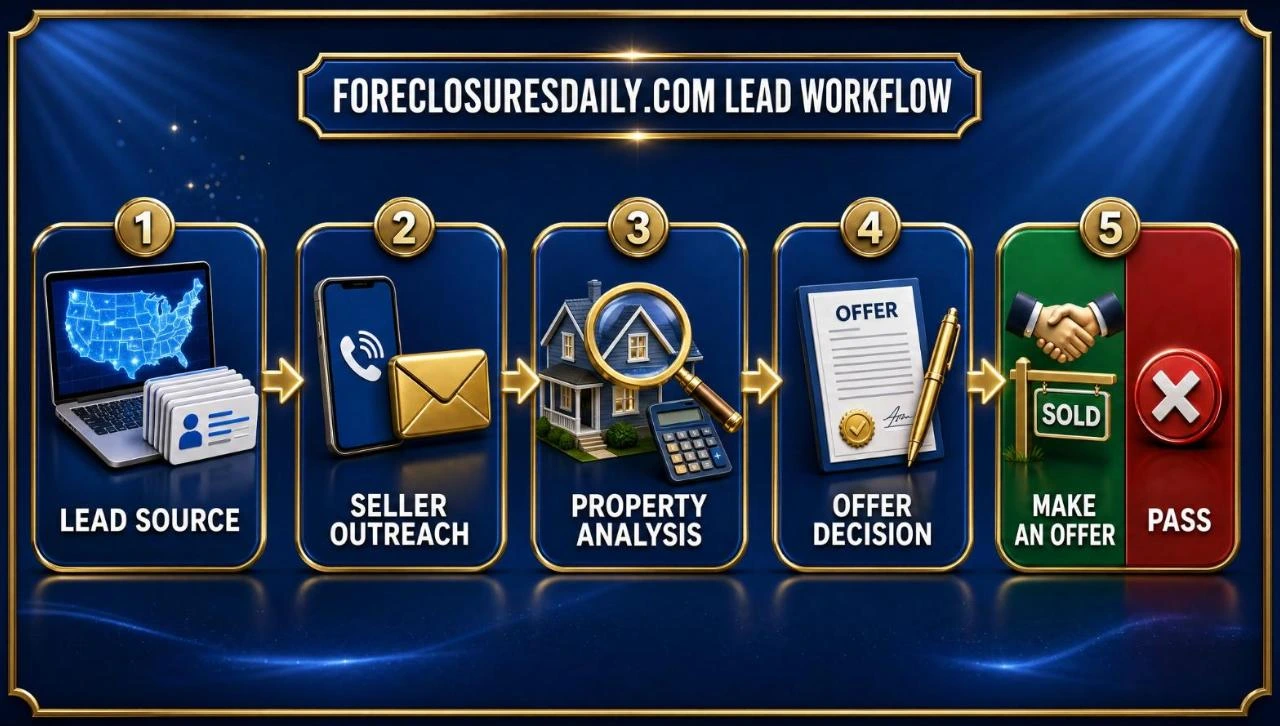
Which method works best?
Leads give the most volume for the time spent. Driving for dollars and networking add high-quality deals. Most successful buyers combine a steady lead source with one or two relationship channels.

Where to find off market real estate for sale
Off market real estate for sale usually comes from owners with a reason to sell quickly. For example, heirs, landlords and owners in pre-foreclosure often prefer a private sale.

In addition, keep good notes, because many sellers say yes only on the third or fourth contact. Also, check each record for fresh filing dates, since older leads are often taken. As a result, you spend your time on owners who are still ready to talk.
How to find off-market properties: FAQ
 What is the easiest way to find off-market properties?
 Is driving for dollars still effective?
Can agents find off-market properties too?
These methods are general information, not legal or tax advice. Marketing, contact, and contract rules vary from state to state, so check with a local attorney before acting.
Find off-market properties today
Get new off-market seller leads, updated daily, for the counties you work.