Probate Properties: Family Homes, Vacant Houses and Value Estimates
Probate properties range from well-kept family homes to vacant houses that need major work. This guide covers the common types, the risks buyers should check, and how to estimate what a probate property is worth.























Hear From Our Customers
Click a profile to watch their video or read their story.






What people search for
Common types of probate properties



Risks to check before you buy
- Title issues. Unpaid taxes, liens, or reverse mortgages must be cleared.
- Vacancy damage. Frozen pipes, leaks, mold, and pests are common in empty homes.
- Code problems. Unpermitted additions or older wiring may need correction.
- Heir disputes. Disagreements can delay or cancel a sale.
How to estimate a probate property’s value
Compare recent sales of similar homes nearby, then adjust for condition.
For homes that need work, estimate the after-repair value and subtract the full cost of repairs, holding, and selling. The estate’s appraisal, if filed with the court, is a useful reference but not always current.

Our off-market seller data goes back to 2004, and probate and pre-probate records are added daily. For lead lists, open the probate real estate leads page; for background, read the full probate real estate guide.
Where to find probate properties before they are listed
The best estate homes often sell before they ever reach the MLS. Instead, investors find them through court filings, county records and lead services that track new estates.

For example, a new probate case usually names the executor and often lists real estate in the inventory.
Matching that filing to the county property record then tells you whether the estate owns a home, roughly how much equity it holds and who has authority to sell it.
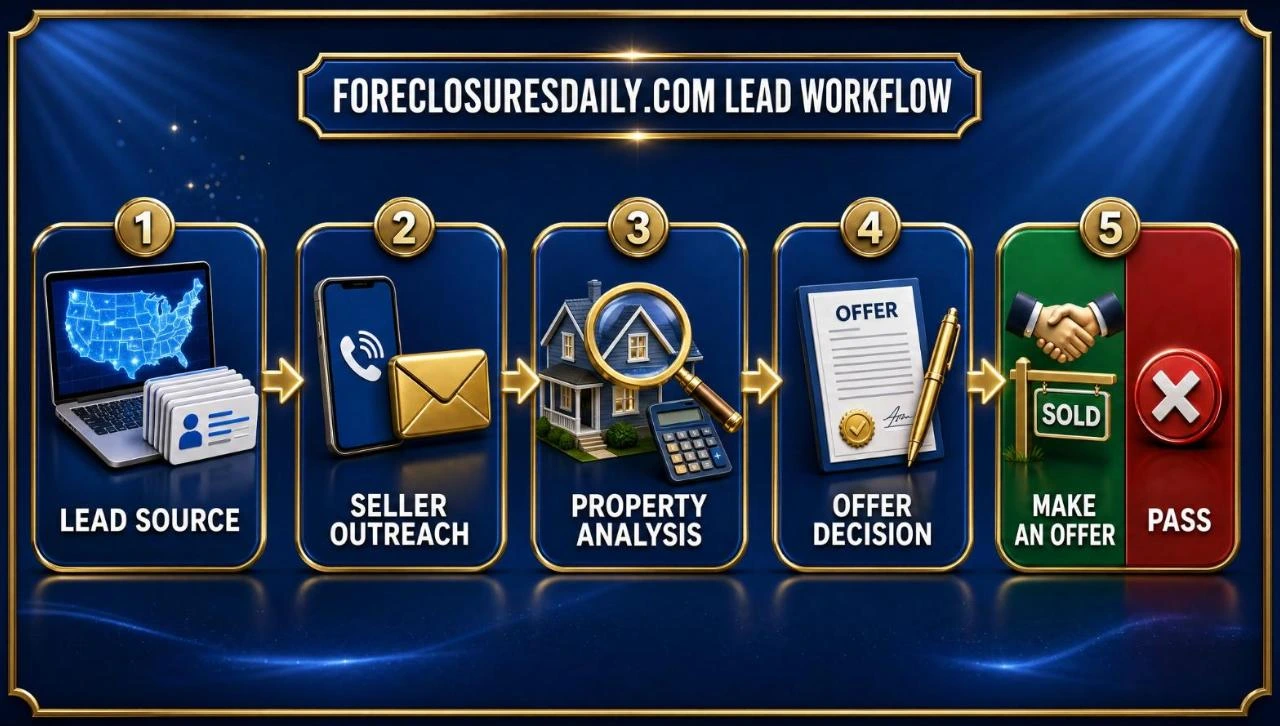
ForeclosuresDaily.com does that matching every day. As a result, you can reach the executor early, make a fair offer and close before the home reaches the open market.
Probate properties: FAQ

Are probate properties sold below market value?
Many sell somewhat below retail because they are sold as-is and quickly, but well-kept homes can sell at full price.

Who sets the price of a probate property?
The executor, often guided by an appraisal or an agent’s market analysis, and sometimes subject to court approval.

Can I get financing for a probate property?
Yes, if the home meets lender standards. Homes needing major repairs may need cash or a renovation loan.
This overview of probate property types is general information and not legal or tax advice. State rules vary, so speak with a local attorney about the particular property you are weighing.
Find probate properties first
Get new off-market seller leads, updated daily, for the counties you work.

More probate real estate guides
Probate real estate guides
- Anatomy of a Probate Real Estate Deal
- How to Find Probate Properties
- Kevin Sayles Probate Real Estate 101
- Pre-Probate Real Estate Data
- Pre-Probate vs Probate Leads
- Probate Homes for Sale
- Probate Houses
- Probate Investing Tips
- Probate List
- Probate Listings
- Probate Marketing Scripts
- Probate Process
- Probate Property Leads for Investors
- REIFax Switch Discount
- Selling an Inherited Property
- Tips for Buying Probate Properties
- What Is Pre-Probate? Meaning, Timing and What Happens to the House
- What Is Probate Property? What Goes Through Probate and What Does Not