Tom Krol: Questions to Ask Before Hiring a Coach
Tom Krol invests in real estate and teaches others to do the same. This guide explains how to get real value out of a coaching program and how to put each lesson to work on deals sourced from off-market seller leads.





















Hear From Our Customers
Click a profile to watch their video or read their story.





Where new investors usually start


Questions to ask before you hire a real estate coach
- Match your strategy. A wholesaler, a flipper, and a landlord each need a different playbook, so choose coaching aimed at the path you plan to take.
- Check what is included. Ask whether you get live calls, access to a community, document templates, and accountability check-ins.
- Read the terms. Get the price, the length of the commitment, and the refund rules in writing.
- Plan your deal flow. Coaching produces results faster when new leads arrive every week.
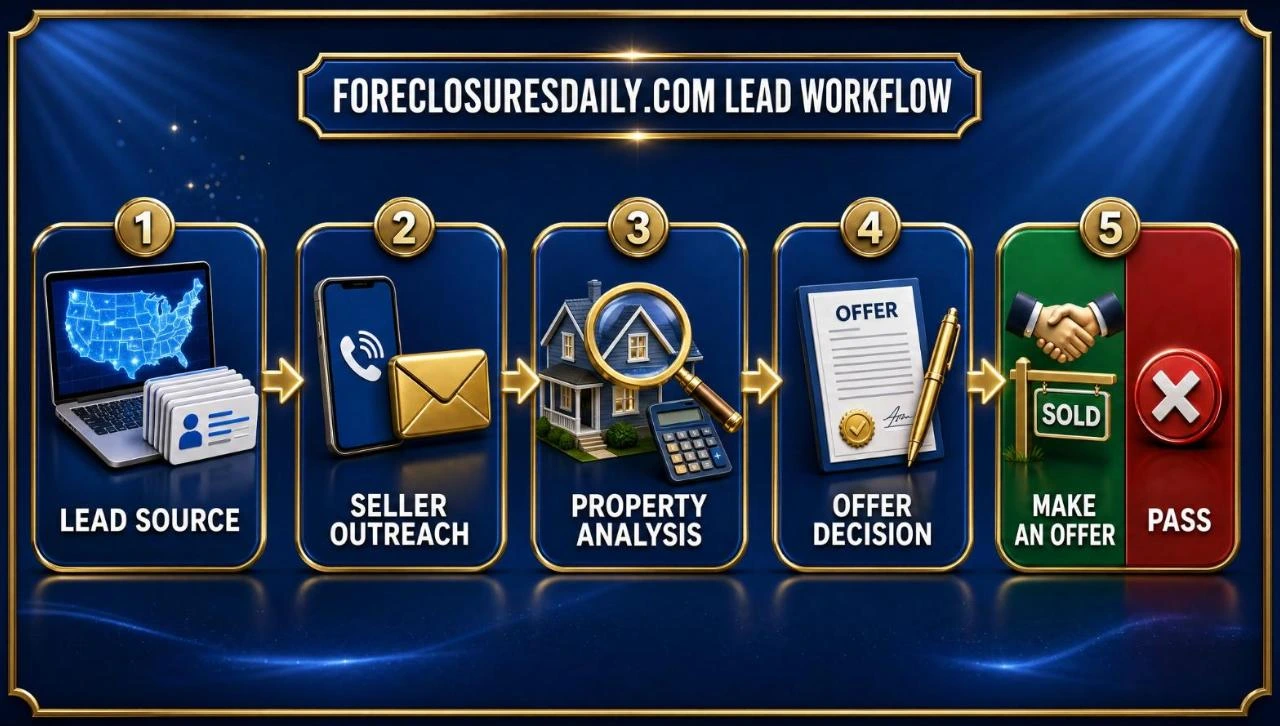
From coaching lessons to real offers
Training becomes income only when you work actual opportunities. Since 2004, ForeclosuresDaily.com has delivered probate, pre-foreclosure, divorce, and other off-market seller leads. To find investors in your area, search for a group on National REIA.

Tom Krol: FAQ
 Is a real estate coach worth the money?
Is a coach required to begin investing in real estate?
 Where do investors with a coach get their deals?
ForeclosuresDaily.com wrote this guide on its own and is not affiliated with Tom Krol unless stated. For current programs and details, check the official website.
Turn lessons into deals
Get new off-market seller leads, updated daily, for the counties you work.