Distressed properties: how to find and buy distressed property for sale
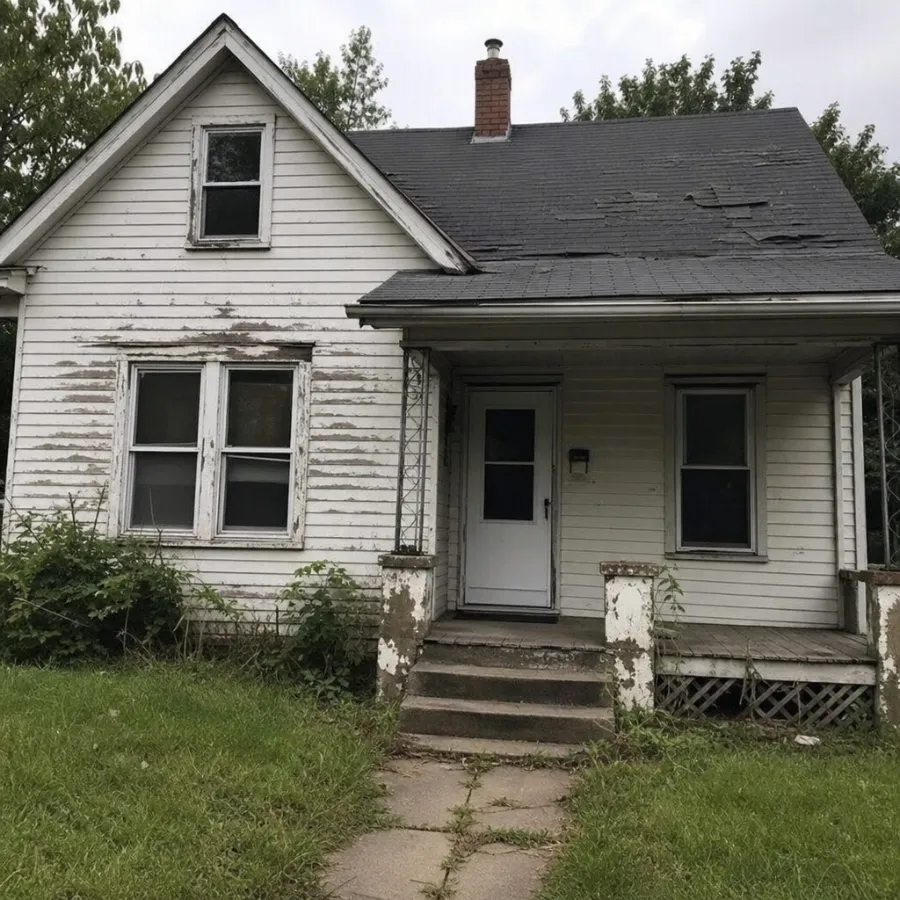
Look beyond the asking price.
- Assess condition, costs, and risk
- Compare lead sources and deal paths
- Plan due diligence before an offer


Listed and sold 25 properties and personally bought and sold four fix-and-flip properties, all generated from probate leads.
Carolynn Castillo
Realtor & Broker · eXp Realty
The real value is in the spread between risk and potential
Common sources of distress
- Physical condition: Major home improvement needs, code issues, damage, old systems, or neglect.
- Financial pressure: Missed payments, tax liens, foreclosure deals, or owners needing a fast sale.
- Life events: Divorce, Inheritance, Relocation, Job Loss, or Family Changes.
- Estate-related timing: Pre-probate or inherited property situations where heirs may not want to manage repairs.
- Vacancy or abandonment: Empty properties can deteriorate quickly and may attract municipal attention.
- Underperformance: Commercial or rental properties with poor management, below-market rents, or high expenses.
Where value can be created
- Repair visible damage such as flooring, paint, fixtures, roofing, or landscaping.
- Correct functional problems like outdated layouts, plumbing failures, electrical issues, or HVAC deficiencies.
- Improve marketability through cleaning, staging, curb appeal, and better presentation.
- Resolve ownership complexity tied to Inheritance, Divorce, or estate timing.
- Stabilize income by improving rental operations, reducing vacancy, or addressing deferred maintenance.
- Move quickly when a seller needs certainty, and the buyer can close without extensive contingencies.
Lead sources worth understanding
- MLS listings: Some distressed properties for sale are listed publicly as fixer-upper homes, as-is homes, bank-owned properties, or short-sale opportunities.
- Foreclosure data: Foreclosure deals can appear at different stages, from pre-foreclosure to auction to bank-owned property.
- Public records, such as tax delinquency, code violations, probate filings, and ownership changes, may indicate motivated sellers.
- Estate and Inheritance situations: Heirs may prefer to sell rather than maintain or renovate a property.
- Pre-probate research: Some investors monitor estate-related signals while staying careful, respectful, and compliant with local rules.
- Direct-to-owner marketing, letters, calls, or digital outreach can uncover a Private house sale before it reaches the open market.
- Wholesalers and investor networks can provide access, but buyers must still verify the numbers independently.
- Driving for dollars: Physically identifying vacant or neglected homes remains common in many U.S. markets.
- Specialized platforms: The best platforms for distressed property leads usually combine data access, filtering, ownership details, and workflow tools, but users should evaluate coverage and accuracy for their target counties.
Ready to start? Talk to our team about leads in your market →

Shannon Thompson
Investor · Joe Homebuyer of Atlanta
Watch Shannon Thompson share their experience using ForeclosuresDaily.com.
Motivated sellers who want to liquidate fast
For this reason, ForeclosuresDaily.com’s off-market real estate platform covers every major distress signal nationwide, cross-referenced with tax rolls and property appraiser records.

Andrew Litchfield
Webinar host
Andrew Litchfield hosted a ForeclosuresDaily.com monthly webinar for real estate investors.
Evaluating a distressed property before making an offer
A practical due diligence checklist
- Property condition: Roof, foundation, structure, plumbing, electrical, HVAC, windows, drainage, mold, pests, and safety hazards.
- Title and ownership: Liens, unpaid taxes, judgments, estate issues, ownership disputes, or missing signatures.
- Local rules: Permits, zoning, occupancy limits, rental regulations, historic restrictions, and code enforcement.
- Repair scope: Written contractor estimates, material costs, labor availability, and contingency reserves.
- Exit strategy: Flip, rent, wholesale, owner-occupy, redevelop, or hold for appreciation.
- Financing: Cash, hard money, private money, conventional financing, renovation loans, or seller financing.
- Timeline: Closing date, renovation duration, inspection periods, permitting delays, and resale seasonality.
- Market demand: Buyer appetite, rental demand, neighborhood trends, school zones, commute patterns, and competing inventory.
- Whether repairs are affordable and manageable.
- Whether the home can qualify for buyer financing in its current state.
- Whether there are liens, estate issues, Divorce-related obligations, or ownership complications.
- Whether a fast Private house sale is more valuable than testing the open market.
- Whether working with a distressed property realtor could expose the property to more qualified buyers.
- Whether an investor offer fairly reflects repairs, risk, and local resale value.

Anthony Coletti
Real estate investor
Watch Anthony Coletti share their experience using ForeclosuresDaily.com.
Risks that can erase the bargain
Warning signs to take seriously
- The seller cannot clearly prove ownership or authority to sell.
- Access to the property is heavily restricted.
- Repair estimates are based only on photos or a quick walkthrough.
- The deal depends on an unrealistically high resale price.
- There are signs of water intrusion, foundation movement, fire damage, or environmental hazards.
- The property has unresolved code violations or permit questions.
- The numbers only work if everything goes perfectly.
- Choose two or three target neighborhoods or counties.
- Decide whether you want flips, rentals, owner-occupied fixer-upper homes, or commercial assets.
- Set minimum margin requirements before looking at deals.
- Use multiple lead sources, including agents, public records, referrals, and off-market platforms.
- Walk properties with a repair checklist and estimate conservatively.
- Make offers based on verified numbers, not excitement.
- Track every lead, offer, result, and lesson learned.

Jeremy Resmer
Webinar host
Jeremy Resmer hosted a ForeclosuresDaily.com monthly webinar for real estate investors.
Key takeaways for buyers and sellers
Antonio Stringfield
Probate investor · Los Angeles
Watch Antonio Stringfield share their experience using ForeclosuresDaily.com.
ForeclosuresDaily off-market opportunities before your competition
In fact, since 2004, ForeclosuresDaily.com has helped investors, wholesalers, flippers, and agents reach motivated sellers first.

Nancy Wallace-Laab
Investor · nearly 20 years
Nancy focuses on the best outcome for both the seller and the investor, drawing on nearly 20 years of real estate investing experience.

Phillip Warrick
Full-time investor since 2003
Full-time real estate investor since 2003, with over 20 years of experience.
Get Off-Market Leads Before Your Competition
Off-market leads by county and ZIP code, updated daily.
Get Started →