Wholesale Real Estate vs REITs: Active and Passive Ways to Invest
Compare hands-on deal work with hands-off REIT investing and choose the path that fits your goals.
























Hear From Our Customers
Click a profile to watch their video or read their story.






There is more than one way to invest in real estate, and wholesale real estate is one of the most hands-on.
Wholesaling means you find discounted properties, put them under contract and pass those contracts to other investors for a fee. Real estate investment trusts (REITs) take the opposite approach: you buy shares and let professional managers own and run the properties.

This guide explains how each path works, what each one earns and costs, the risks and tax points to weigh, and how to decide which fits your goals.
Both can build wealth, but they ask very different things of you. REIT investing asks for capital and patience. Wholesaling asks for time, persistence and skill, and in return it can produce income without large savings.
Active wholesaling and passive pooled investing
Wholesaling is an active business you run yourself. You find motivated sellers, secure properties at a discount and assign the contracts to cash buyers. Income comes from fees on each deal, not rent or dividends, so it depends directly on your effort.

A REIT or pooled investment company works differently. It collects money from many investors to buy and manage a portfolio of income-producing property.
Publicly traded REITs sell shares on stock exchanges, so you can buy and sell them like stocks. Private REITs and investment corporations are limited to select investors and are harder to sell.
Many investors use both: a REIT for diversified, passive income, and wholesaling or flipping to build active income and hands-on skills.
Benefits of investing through a REIT
Pooled real estate investments appeal to people who want property exposure without the work of buying and managing buildings.




These benefits come with trade-offs: market swings, management quality, interest-rate sensitivity and little control over decisions.
Risks of pooled real estate investing
Every investment carries risk. Understand these before you put money into a REIT or private investment corporation.




Wholesalers rarely hold property for long, so they avoid most of the market and management risk that REIT investors face.
Their risks are different: deals that do not close, lost earnest money, inaccurate numbers and inconsistent income. Careful analysis, fair contracts and a steady lead source reduce those risks.
How wholesale real estate investment works
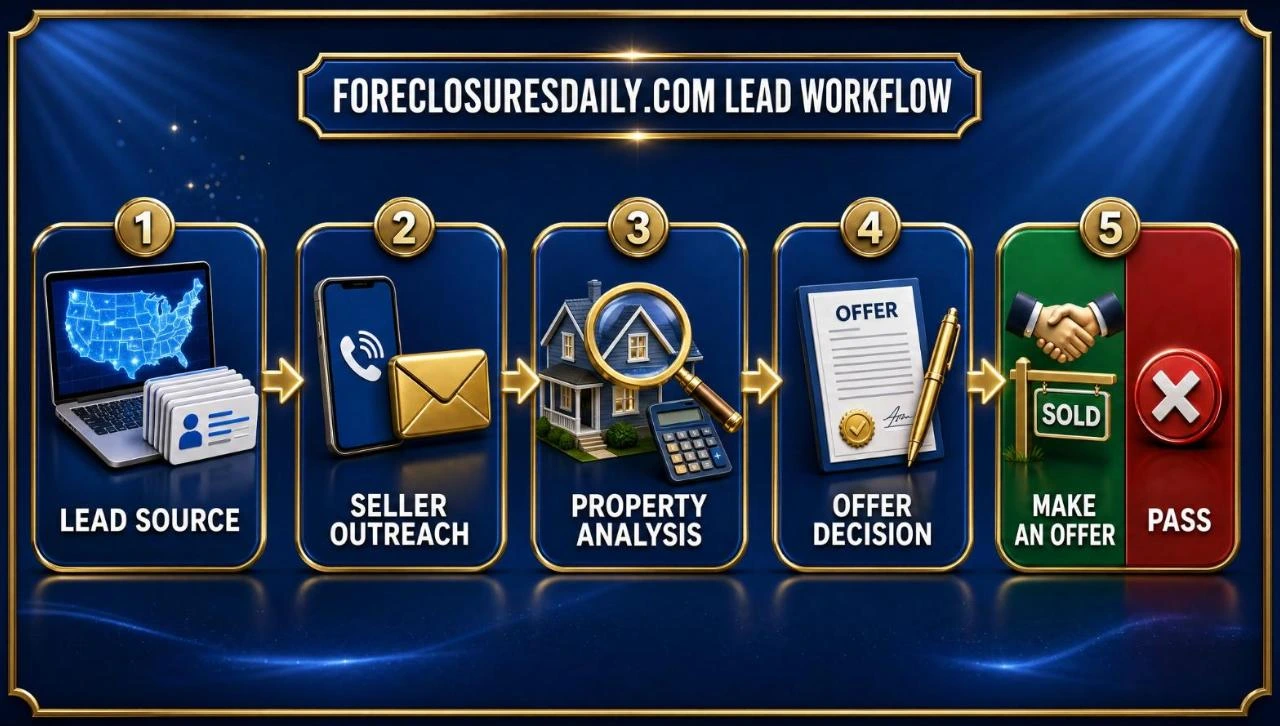
The active path follows three stages:

Before your first deal, put these in place:
How income works in each approach
Wholesale income = deals closed × average fee, minus marketing, lead data and other business costs.

REIT income comes from dividends and share price changes. Wholesale income comes from fees on each deal.
It can grow as your systems improve, but it stops when you stop working. Results vary widely with effort, market and skill, so treat wholesaling as a business rather than an investment you can ignore.
Questions to ask before you invest in a REIT
- What types of property does it own?
- Which locations does it focus on?
- How stable are its dividend payments?
- How much debt does it carry?
- What is management’s track record?
- How liquid are the shares?
REIT dividends are generally taxed as income, and wholesale fees are usually business income. Talk with a tax professional about how each would affect you.
How to choose your real estate investment path
Start with your goals and how much time you can give. Ask whether you want regular income, long-term growth or both, and what your time horizon is. Your answers point toward passive, active or a mix of strategies.

Whichever path you choose, use the same discipline: research carefully, measure results and reinvest in what works. Since 2004, ForeclosuresDaily.com has helped investors, wholesalers, flippers and agents reach motivated sellers first, with off-market leads covering the nation and new records added every day.
Wholesale real estate investment FAQ
Is wholesaling the same as investing in a REIT?
No. Wholesaling is an active business of finding and assigning deals. A REIT is a passive investment in a professionally managed portfolio.
What is a REIT?
A real estate investment trust pools investor money to own and manage income-producing properties, often traded on stock exchanges.
Do REITs pay dividends?
Generally yes. REITs typically must distribute at least 90% of taxable income to shareholders.
 Which is riskier?
They carry different risks. REITs face market, management and interest-rate risk. Wholesalers face deal and income risk.
Can I do both?
Yes. Many investors hold REITs for passive income and wholesale or flip for active income.
How do I start wholesaling?
Learn the basics, get a reliable source of motivated seller leads, build a buyers list and use assignable contracts.
This guide is general education, not financial advice. Speak with a licensed financial advisor or tax professional before you make investment decisions.
Build your real estate future your way
Match the strategy to your goals, time and risk tolerance, whether that means a passive REIT, active wholesaling or both.