Real Estate Investment Legal Issues: Absentee, Distressed and Divorce Deals
From coast to coast, ForeclosuresDaily.com helps agents, investors, wholesalers and the general public reach sellers who are motivated to move.
Owners forced to sell by foreclosure, probate, back taxes or repairs they cannot afford usually face tight deadlines. Many will accept less than market value, skip a listing, and close fast with a cash investor, which is exactly why the legal care in this guide matters.






















Hear From Our Customers
Click a profile to watch their video or read their story.






Every off-market deal involves people as well as property, and that brings real estate investment legal issues that a retail purchase rarely has.
Absentee owners, distressed homeowners and divorcing couples each raise their own questions, from who has the right to sell to which rules govern how you contact them.

This guide covers the key legal and ethical issues for each seller type, the due diligence that protects your purchase, the rules for outreach and how to build a business that is both profitable and principled. It is general education, not legal advice.
Why legal and ethical care matters in off-market deals
Off-market purchases often involve owners under pressure, unclear ownership or court involvement. That raises both legal risk and ethical responsibility.
A clean retail sale usually includes agents, standard forms and a buyer’s lender checking the details. Off-market deals may have none of those safeguards, so the investor must do more of the work to confirm ownership, authority and title.

Most complexities are manageable with a consistent process: verify, disclose, document and get professional advice when the situation is unusual.
Absentee owners: confirm the right to sell
Absentee owners live elsewhere. The property may be a second home, a rental, an inherited house, or it may be held in an LLC or trust.
Before you rely on any agreement, confirm that the person you are dealing with has the legal right to sell and that the right is not contested.


Distance also creates information gaps. Absentee owners may not know local values or the property’s current condition. Share relevant information about your plans and your offer, and accommodate reasonable requests such as longer closing terms or remote signing. Fair dealing means not exploiting that gap.
Distressed and divorcing owners need extra care
Owners facing job loss, medical bills or foreclosure may be vulnerable, and so may couples who must divide shared assets. The law in many places reflects that, and so should your business practices.



Learn your state’s rules and use an attorney for preforeclosure purchases, estates, divorces and entity sellers.
A responsible process for every off-market deal



Before closing an off-market deal, confirm the following:
Outreach rules investors must follow
How you contact owners is regulated. Following the rules protects you from fines and shows respect for the people you contact.

Rules change and vary by state. Review your outreach practices with an attorney familiar with real estate marketing law.
Make offers that hold up
Fair pricing is both the ethical choice and the safer one. Set your number from recent comparable sales and honest repair costs, show the seller how you got there, and leave them free to look at other options. An offer that is plainly unconscionable invites disputes and can harm your name.
One rule of thumb many investors use: Offer = ARV × 70% − Repairs. It is a pricing guideline, not a legal standard.
Save your comparables, repair bids and every message with the seller. Let them take time to decide, since pushing for a same-day signature erodes trust in the deal.
Questions to ask every pressured seller
- Who must sign, and do they all agree?
- Is there a court order or pending case?
- Are there state-specific disclosure rules?
- Does the seller understand the offer?
- Has the seller been encouraged to get advice?
- Is the price fair given the situation?
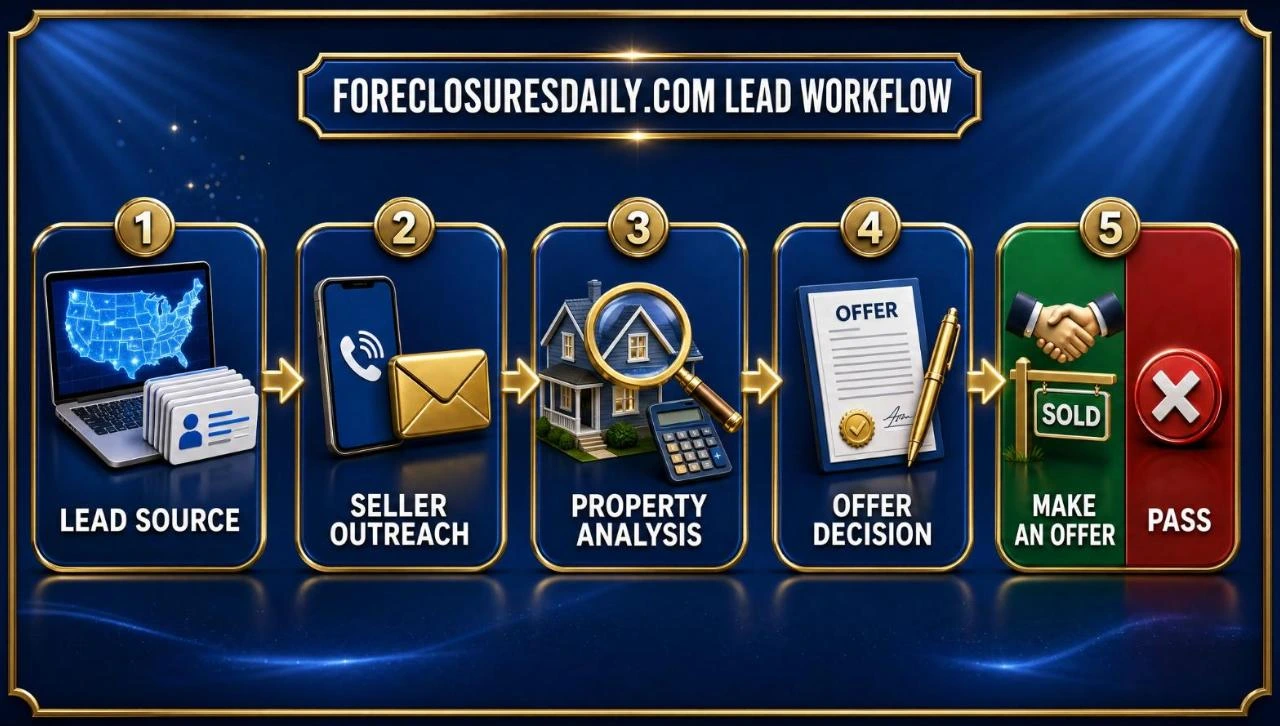
Ethics beyond the letter of the law
You can profit without exploiting anyone. Taking advantage of vulnerable owners exposes investors to lawsuits, regulators and lasting reputational harm, while fair dealing brings referrals, repeat sellers and doors that open more easily. Make empathy and fairness part of every conversation.

This is general information, not legal advice. Consult a licensed attorney in your state.
Frequently asked questions
 How do I know a seller can legally sell?
Confirm the owner of record, the signing authority for any company, trust or estate, any court orders and recorded liens, and close through a title company that will insure the result.
Do both spouses need to sign in a divorce sale?
In most cases, yes. A divorce decree or temporary court order may also control the sale, so confirm the signing requirements with each spouse’s attorney before closing.
 Are there special rules for buying from owners in foreclosure?
Yes, in many states. Some regulate purchases from homeowners in default, requiring written disclosures and giving the owner a period to cancel the contract. Learn your state’s version before you make an offer.
Can I call or text owners from lead lists?
Only if you follow the federal Telephone Consumer Protection Act, do-not-call registry rules and any state telemarketing laws. Texts are treated like calls under those rules, so set up compliant consent and tools first.
Is it ethical to buy below market?
Yes, when the price is fair, the terms are clear and the sale solves a real problem for the owner, such as a deadline, a repair bill or a property they no longer want.
When should I hire an attorney?
Bring one in for contracts, preforeclosure purchases, estates, divorces, company or trust sellers and any situation that feels unusual. The fee is small next to the cost of a deal that unwinds.
Find motivated sellers the right way
Start with verified off-market leads, then follow every step in this guide.