Probate attorney and real estate investor: how to work together fairly on estate property sales
A probate attorney and a real estate investor play very different roles in an estate sale.
This guide explains what the attorney does, when the court must approve a sale, the ethics limits on referrals and how investors can add real value for executors and heirs.
























Hear From Our Customers
Click a profile to watch their video or read their story.






Probate attorney and real estate investor: who does what
In an estate sale, everyone has a distinct job. Keeping those roles clear protects the estate and builds trust:

The probate attorney works for the estate, not for the investor. Investors should have their own attorney or agent if they need advice.
How a will changes the probate attorney and real estate investor relationship
Probate can be long and complex, and the path depends on whether the decedent left a valid will:

When a probate sale needs court approval
Whether the court must approve the sale depends on the state and on how much authority the executor has. In some cases, the executor can sell with little court involvement. In others, the attorney must get court approval, and the court may even allow other buyers to overbid at a hearing.
- Confirm authority.
The attorney confirms the executor has letters from the court and the power to sell.
- Draft the contract.
The attorney drafts or reviews the purchase agreement, often with court-required terms.
- Seek approval if required.
The attorney files for court confirmation and gives any required notice to heirs.
- Resolve disputes.
If heirs disagree, for example one sibling wants to sell and another does not, the attorney helps work out a buyout or sale.
- Close the sale.
Once approved, the sale closes and proceeds go to pay debts and heirs.
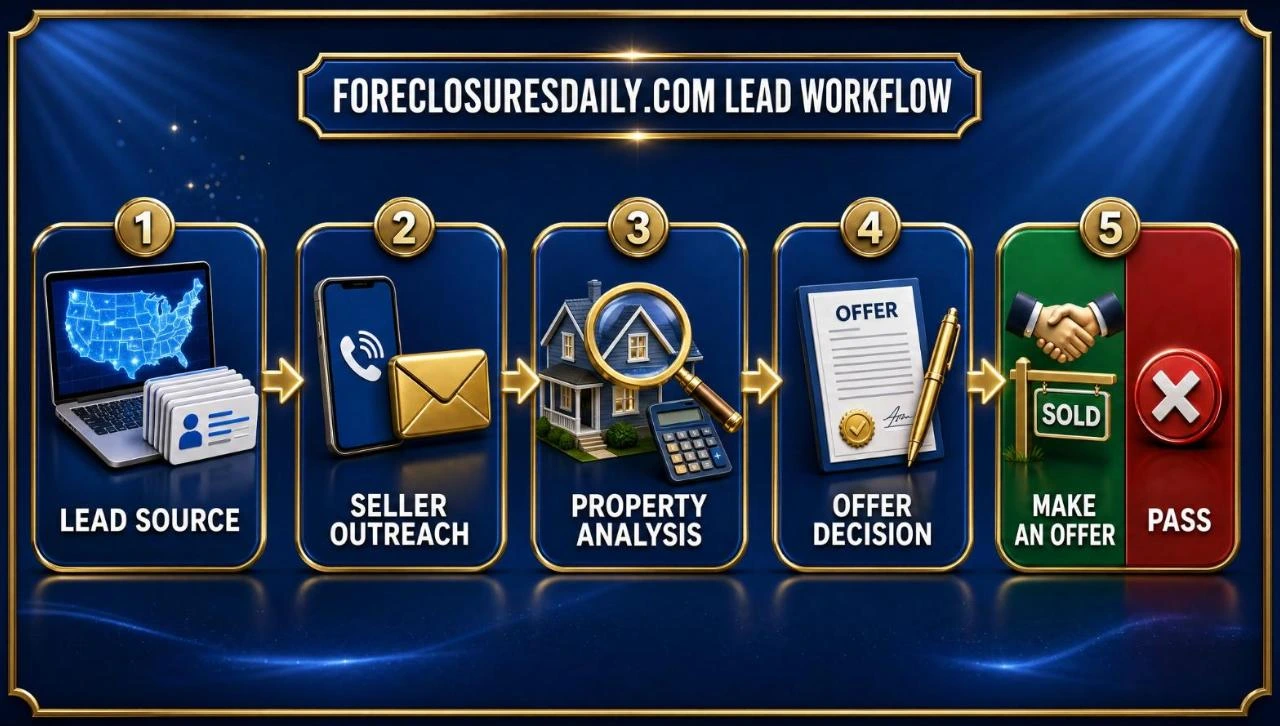
This article is general information, not legal advice, and probate rules differ from state to state.
Ethics limits between a probate attorney and real estate investor

Attorneys follow strict professional rules. In general, a lawyer can’t pay or accept money for referrals from non-lawyers, such as investors.
Therefore, investors should never offer referral fees or kickbacks to an estate’s attorney or executor. Instead, earn trust with fair offers, clear terms and reliable closings.
How investors add real value to estate sales
Investors help most when they make the estate’s job easier:

Sellers motivated to sell quickly
Each lead begins with a life event that gives the owner a reason to sell. Choose a lead type to see our products.




Probate attorney and real estate investor: FAQ
 Do I need a probate attorney to sell an estate home?
It isn’t always required, but most executors hire one, especially for larger or disputed estates or when court approval is needed.
 Who does the probate attorney represent?
Usually the executor or administrator of the estate, not the buyer.
 Can an investor pay a probate attorney for referrals?
No. Professional rules generally bar lawyers from paying or accepting referral fees from non-lawyers.
 Does every probate sale need court approval?
No. It depends on the state and the executor’s authority. Some sales need a court hearing and allow overbids.
 How can investors find probate properties?
Through public probate filings. ForeclosuresDaily.com adds new probate leads every day, nationwide.
Related guides: probate wholesale investments, home flipping in Los Angeles and choosing a real estate coach.
Reach off-market sellers ahead of other investors
Since 2004, ForeclosuresDaily.com has supplied off-market real estate leads in every corner of the country. Get in touch with motivated sellers before their listings go live on the MLS.
