How to Choose a Real Estate Broker: A Buyer, Seller and Investor Guide
Match your goals to the right broker, vet candidates with the right questions, and review the agreement before you sign.






















Hear From Our Customers
Click a profile to watch their video or read their story.






Knowing how to choose a real estate broker can shape your whole transaction. Whether you are a first-time buyer, a seller or a seasoned investor, the right broker brings market knowledge, negotiation skill and a steady hand through paperwork and surprises.

This guide explains what a broker does, the qualities that matter most, how to research and interview candidates, the questions to ask, and what to check before you sign. It also shows how brokers use off-market leads to serve investor clients.
What a real estate broker does
A real estate broker is a licensed professional who helps people buy, sell or invest in property.
Unlike many agents, a broker can run a brokerage and supervise other agents. Brokers act as the intermediary between buyers and sellers. They price properties, find suitable homes or investments, negotiate terms, coordinate paperwork and solve problems that come up before closing.

Brokers usually complete more education and licensing than agents, and many specialize in residential homes, luxury property, commercial real estate or investor clients.
That specialization matters. A broker who mainly sells starter homes may not be the best fit for a buyer seeking distressed investment property.
Define what you need before you call anyone
Choosing well starts with knowing what you need. Write down your goals before you start calling brokers.

For investors, a broker with access to off-market opportunities can be especially valuable. These are properties for sale but not listed on the MLS, often from owners who need to sell quickly.
Qualities that set a great broker apart
The best brokers combine skill with character. Look for these traits from your first conversation.




Awards and recognition can signal strong performance, but client reviews and closed deals in your market tell you more.
How to research and interview candidates
Start by listing possible brokers in your area, then dig into their credentials and reputation. Read reviews, testimonials and client feedback, and look for a strong record of closed deals in the property type and neighborhood you care about.

Interview at least two or three candidates.
Comparing answers side by side shows who truly understands your goals and who is giving a generic pitch. Ask what share of their business matches yours. A broker who regularly works with investors understands cash offers, as-is purchases and fast closings.


Pay attention to how each broker communicates and negotiates. Trust your instincts. Rapport and trust make every later conversation easier.
Understand what you will pay
Broker compensation is negotiable and should be spelled out in writing.
Many sellers pay a percentage of the sale price, while some brokers offer flat fees or tiered pricing. Buyers may also sign agreements that describe how their broker is paid. Know the numbers before you commit so there are no surprises at closing.

Fee = Sale price × Agreed rate
Ask whether the rate covers marketing, photography, staging advice and transaction management. Cheapest is not always best. A broker who prices correctly and negotiates well may earn you more than the difference in fees, so compare the full service, not just the rate.
Read every term of the broker agreement
Before you sign, confirm each of these points in writing:
- The scope of services included
- The fee and how it is paid
- How long the agreement lasts
- How either side can end it, and whether you owe a fee if you find the buyer or seller yourself
- Who represents whom in the deal
- Any exclusivity terms
Why investors benefit from a specialist broker
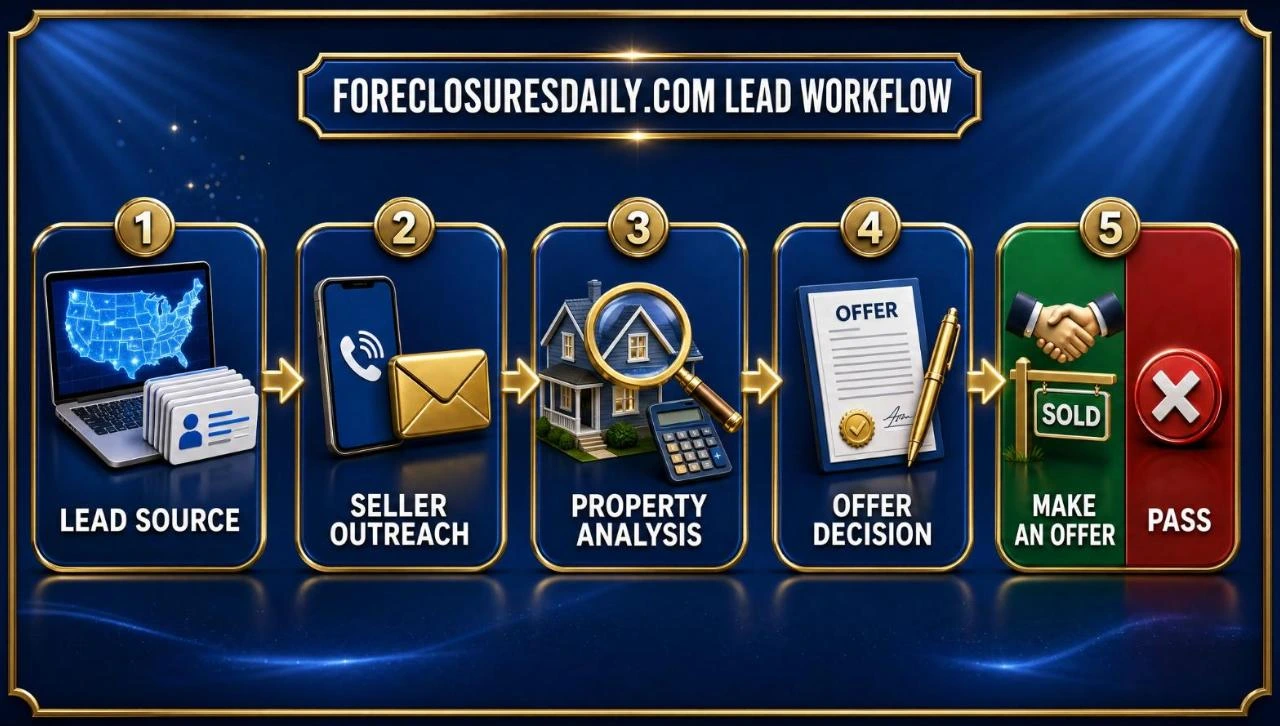
Usually yes. Brokers who work with investors understand cash offers, as-is sales and off-market opportunities. Many find these properties through their networks and lead sources such as probate, foreclosure and absentee owner data.


Data on its own does not create a listing. Filter by area and lead type, then reach out with a helpful, respectful message. A consistent follow-up system turns a list of names into conversations, appointments and signed agreements.
Signing with the right broker
Weigh experience, reputation, market knowledge, communication and personal fit for each finalist. Keep notes from every interview so you can compare candidates fairly.
Your broker should hold a current license in your state, know your target neighborhoods well, have recent deals like yours, explain fees and terms clearly, and put your interests first.
Do not be afraid to walk away from a broker who pressures you to sign before you are ready.
What investors say
Frequently asked questions
What is the difference between a broker and an agent?
Brokers complete additional education and licensing and can run their own brokerage and supervise agents. Agents work under a broker.
How many brokers should I interview?
At least two or three, so you can compare experience, approach and communication style.
Are broker fees negotiable?
Yes. Discuss fees and terms openly before you sign an agreement.
Should investors use a specialist broker?
Usually yes. Brokers who work with investors understand cash offers, as-is sales and off-market opportunities.
Do reviews really matter?
Yes. Reviews, testimonials and closed deals in your market are strong signals of service quality.
Can brokers find off-market properties?
Many do, through their networks and lead sources such as probate, foreclosure and absentee owner data.
Find better listings and investor deals
Put off-market leads to work for your next deal.