Real estate wholesalers in San Diego: California rules, ZIP codes and deal math
Wholesaling in San Diego County means putting a property under contract below market value and assigning that contract to a cash buyer for a fee. With about 3.3 million residents and a median home value near $855,000, San Diego deals are large, inventory is tight and California's seller-protection laws apply.
This guide covers what California law allows, including the 2026 wholesaling bill that did not pass, where San Diego's motivated sellers come from, which ZIP codes investors watch and how to price a deal.
How wholesaling works in San Diego County
A wholesaler signs a purchase contract with a motivated seller, finds a cash buyer, and either assigns the contract or closes and resells. The wholesaler's profit is the difference between the two prices.
San Diego County has about 3,282,000 residents and 1.29 million housing units (Census, 2025 estimates). About 55% of homes are owner-occupied, the median owner-occupied home value is about $854,700 and the median gross rent is about $2,246 (Census, 2020–2024).
Most San Diego wholesale deals are older single-family homes and small multifamily properties in East County, inland North County and central city neighborhoods, where steady military and university rental demand supports landlord buyers.
- You assign your purchase contract
- Fee paid at closing
- Contract must allow assignment
- You buy, then resell
- Two closings and two sets of costs
- Often needs transactional funding
Related guides

Listed and sold 25 properties and personally bought and sold four fix-and-flip properties, all generated from probate leads.
Carolynn Castillo
Realtor & Broker · eXp Realty
Is wholesaling legal in California?
Yes, if you sell your own contract rights. California requires a license to sell or negotiate the sale of someone else's property for a fee, and it has extra protections for owners in foreclosure.
Contract as a real buyer
Sign a real purchase contract that allows assignment, with a deposit and a closing date you can meet.
- Assignment clause
- Real deposit
You sell your contract rights, not the house.
Don't act as an unlicensed broker
Business and Professions Code Section 10131 defines a broker as someone who sells or negotiates real estate for others for compensation. Marketing a house you don't control can cross that line.
- B&P Code 10131
- Market the contract
Tell buyers you hold a contract.
Know the foreclosure laws
Buying a home in foreclosure that the owner lives in falls under the Home Equity Sales Contracts Act (Civil Code 1695 and following), which requires specific contract terms and gives the seller a cancellation period.
- Civil Code 1695
- Cancellation right
Use an attorney-drafted contract.
AB 1850 would have required a license, but it did not pass
Assembly Bill 1850 (2026) would have treated contracting to buy a home with intent to assign or resell it as broker activity, required a real estate license and required written disclosures to sellers and buyers. It was held in the Assembly Appropriations Committee on May 14, 2026, so current law is unchanged. Expect a similar bill in a future session.
This is general information, not legal advice. Have a California real estate attorney review your contracts and marketing.
What can get a California wholesaler in trouble
- 1Listing the house on the MLS or portals as if you own it
- 2Marketing a property you have not put under contract
- 3Using a generic contract with an owner-occupant in foreclosure
- 4Hiding that you plan to assign the contract
- 5Collecting a fee for simply connecting a buyer and seller
- 6Pressuring sellers or misstating your role

Shannon Thompson
Investor · Joe Homebuyer of Atlanta
Watch Shannon Thompson share their experience using ForeclosuresDaily.com.
Motivated sellers behind San Diego County wholesale deals
Most San Diego County deals come from owners who value speed and certainty over top price.
Inherited and probate homes
Long-held homes with large equity often pass to heirs who live elsewhere. See probate real estate leads.
Pre-foreclosures
California usually forecloses outside court. A recorded notice of default starts a timeline of roughly four months or more before a trustee's sale.
Older homes needing work
1950s–1970s homes in El Cajon, Lemon Grove, Escondido and City Heights often need full updates.
Tired landlords
Owners of older rentals facing repairs or tenant issues may prefer a clean, as-is sale.
Divorce
Court-ordered or negotiated sales often need a quick, certain closing.
Military relocations
San Diego has a large Navy and Marine Corps population, and new orders can force a fast sale.

Andrew Litchfield
Webinar host
Andrew Litchfield hosted a ForeclosuresDaily.com monthly webinar for real estate investors.
The San Diego County wholesale market in numbers
Seller and buyer searches are strong: "San Diego foreclosures" and "sell my house fast San Diego" each draw about 480 searches a month, and "we buy houses San Diego" about 390.
median owner-occupied home value in San Diego County (Census)
San Diego County ZIP codes landlords watch
Median listing price and gross rent yield
Figures are approximate. Search volumes are recent monthly US estimates, and prices and rents change month to month. Verify current data before making an offer.
ForeclosuresDaily.com hosts monthly webinars with investors such as Carolynn Castillo, who share how they find and close off-market deals.
Read the announcement →
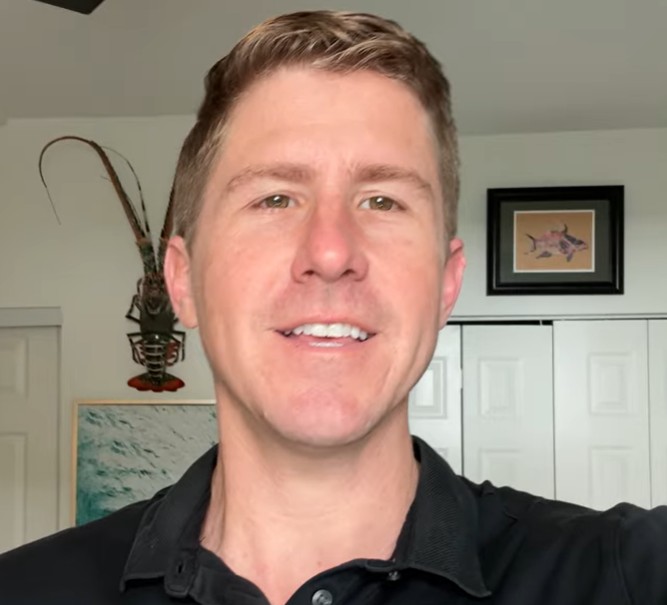
Anthony Coletti
Real estate investor
Watch Anthony Coletti share their experience using ForeclosuresDaily.com.
What does a San Diego County wholesale deal look like?
Your price is set by what a cash buyer will pay. At San Diego County prices, buyers usually work from the after-repair value (ARV) minus repairs, costs and a target profit, rather than a flat 70% rule.
Example only. Holding and selling costs (about 8% here) include financing, taxes, insurance, commissions and transfer tax. Use sold comparables, not list prices.
Use sales, not list prices
Base the ARV on recent sales of similar homes nearby.
Price in permits
Check for unpermitted additions, garage conversions and coastal zone rules before you price repairs.
Leave the buyer a margin
A fee that is too large is the most common reason a deal does not sell.
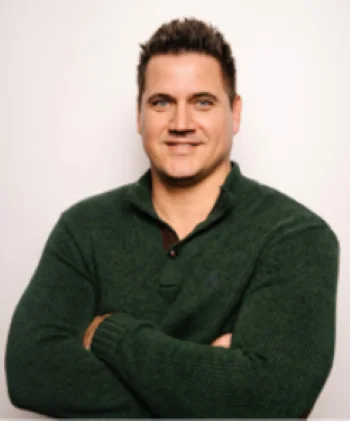
Jeremy Resmer
Webinar host
Jeremy Resmer hosted a ForeclosuresDaily.com monthly webinar for real estate investors.
How to buy wholesale properties in San Diego County
- 1
Get on local buyers lists
Join the lists of San Diego County and Southern California wholesalers and say what you buy: cities, price range and property type.
- 2
Check the contract chain
Ask for the underlying purchase contract and the assignment, and confirm the seller matches the county property record.
- 3
Do your own due diligence
Order a title report, check permits and code cases, and get your own repair bids.
- 4
Go direct to sellers
Off-market lead lists let you reach motivated owners yourself, before a wholesaler does.
- Preliminary title report
- Permit history and open code cases
- HOA documents if applicable
- Tenant status and California rent-cap rules
- Recent sold comparables
Compare Los Angeles County or see how a rebuilt guide covers wholesaling in Dallas.
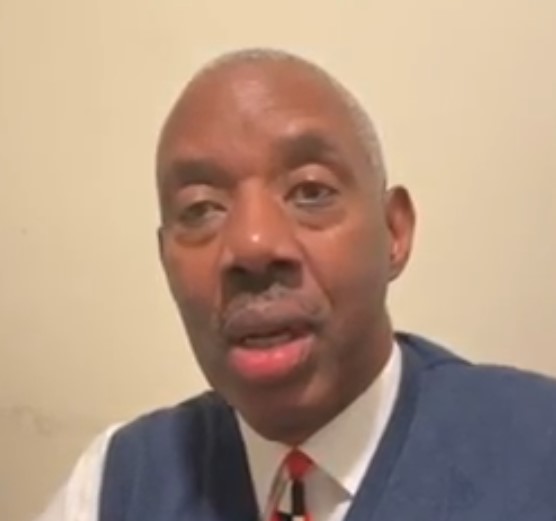
Antonio Stringfield
Probate investor · Los Angeles
Watch Antonio Stringfield share their experience using ForeclosuresDaily.com.

Nancy Wallace-Laab
Investor · nearly 20 years
Nancy focuses on the best outcome for both the seller and the investor, drawing on nearly 20 years of real estate investing experience.

Phillip Warrick
Full-time investor since 2003
Full-time real estate investor since 2003, with over 20 years of experience.
Wholesaling real estate in San Diego County: FAQ
Is wholesaling legal in California?
Yes, when you sell your own contract rights. Selling or negotiating someone else's property for a fee without a license can violate the Business and Professions Code.
Do I need a license to wholesale in California?
Not under current law to assign your own contract. AB 1850 would have required one, but it was held in committee in May 2026 and did not become law.
Can I wholesale a house in foreclosure?
Yes, but if the owner lives there, California's Home Equity Sales Contracts Act applies. It requires specific contract language and gives the seller a right to cancel.
How much is a typical assignment fee in San Diego?
It depends on the deal. Because prices are high, fees are often larger in dollars than in other markets, but the buyer's numbers set the limit.
How does foreclosure work in California?
Most foreclosures are nonjudicial. The lender records a notice of default, waits at least three months, then records a notice of trustee's sale at least 20 days before the auction.
Where do I find motivated sellers in San Diego County?
Probate filings, notices of default, divorce cases and absentee owners are common sources. Lead lists combine these by ZIP code.
Have a question about a San Diego deal? Contact us.
Find San Diego County wholesale deals before other investors
Get probate, pre-foreclosure and off-market leads for San Diego County and the rest of Southern California.