Active Community of Real Estate Entrepreneurs (ACRE): Monthly Meetings and Boot Camp Basics
The Active Community of Real Estate Entrepreneurs (ACRE) is a networking organization for investors, realtors, and wholesalers.
Its monthly meetings, seminars, and boot camps bring people from different parts of the business together. This guide introduces ACRE, explains how real estate networking groups work, and shows how to turn relationships into deals.




















Hear From Our Customers
Click a profile to watch their video or read their story.






National housing numbers to discuss at ACRE meetings

Market data: Realtor.com U.S. housing market, October 2026.
About ACRE
The Active Community of Real Estate Entrepreneurs is a networking organization for real estate professionals, including investors, realtors, and wholesalers. In addition, it has corporate members and provides a platform where people in different parts of the business can meet and share what they know.

Who ACRE is for
ACRE serves a mix of roles, and each group can help the others understand the local market, the paperwork, and the timing that deals require:
Sellers with a reason to move quickly
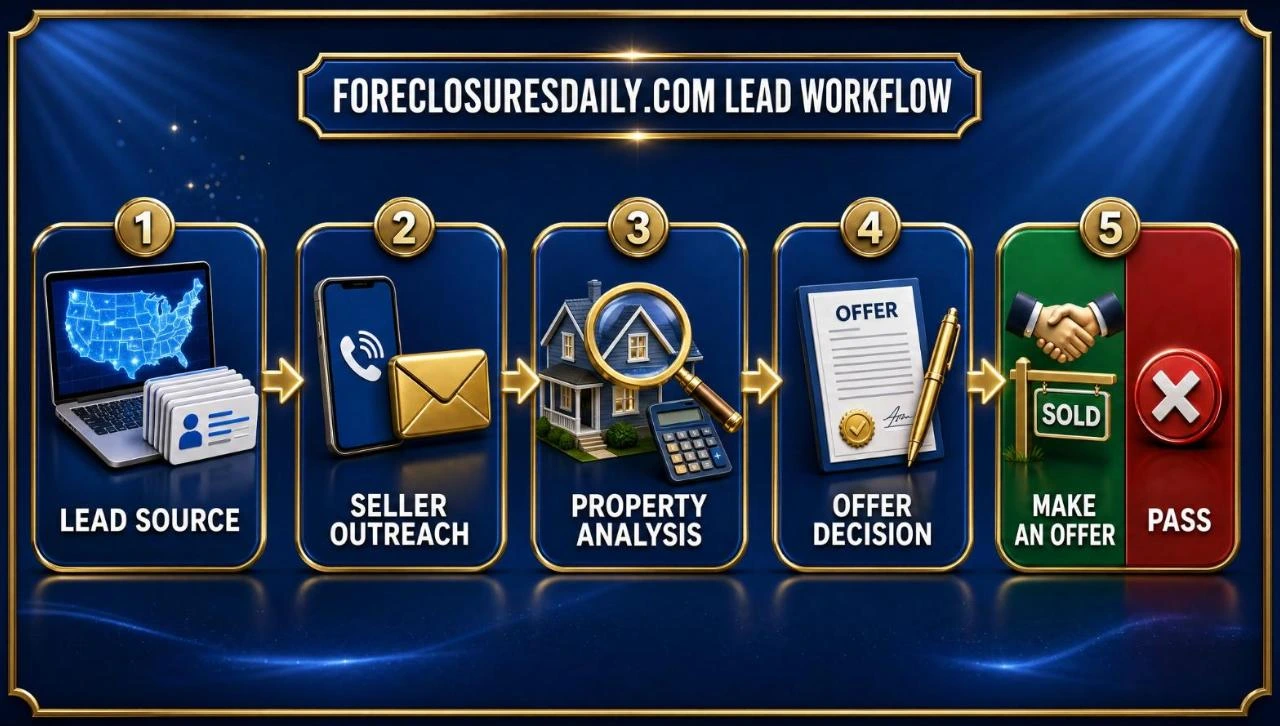
Networking supplies buyers and partners; the deals themselves come from sellers under pressure. ForeclosuresDaily.com covers those distress signals nationwide and cross-checks them with tax rolls and property appraiser records.








What happens inside a real estate investors association?
A real estate investors association, or REIA, is a membership group that brings together people who buy, sell, finance, and manage investment property. Also, some groups use different names, such as “community” or “club,” but the purpose is the same: education, relationships, and opportunities.

What to expect at monthly meetings
A typical meeting combines networking, short announcements, and a featured speaker or panel. Also, topics often include financing, market trends, legal updates, property management, and strategies such as fix-and-flip, wholesaling, and buy-and-hold rentals.
Starting out as an ACRE member
Use these steps to make your first few months productive:
- Confirm details First, check meeting dates, locations, membership options, and guest policies with the organizers.
- Set a goal Next, decide what you want to learn or who you want to meet in the next three months.
- Prepare an introduction Then write a short introduction covering what you invest in and where you focus.
- Listen and take notes After that, note names, follow-up items, and recommendations you want to verify.
- Follow up In addition, send a short, useful message to two or three people within a week.
- Track what you learn Finally, review your notes monthly to see which topics and contacts help you most.
Making your first ACRE meetings count
Your early meetings shape how much you learn and who you get to know. Bring a brief introduction, spend more time listening than talking at first, and ask members open questions about the deals they focus on.

How to evaluate a real estate networking group
Get answers before paying dues. When did the group start meeting, and how many people come month after month?
What do dues cost, and what do they include? Who chairs the meetings, and how long have they invested? Is there a written code of conduct covering members and vendors?
Turning relationships into deals
Networking can lead to partners, buyers, lenders, and the occasional deal, but steady deal flow usually comes from your own lead generation. Many investors pair their REIA contacts with off-market data so they always have a real property to talk about.

In fact, bring a few leads to a meeting and ask experienced members how they would price and approach them.
How wholesalers use ACRE
Wholesalers need two things: motivated sellers and reliable buyers. ACRE helps with the second by connecting wholesalers with investors who are actively buying.
Furthermore, ask each investor for their buy box, including areas, price range, property type, and rehab level, and keep it in your CRM.
Topics worth bringing to ACRE meetings
The best questions are specific. Instead of asking “How do I get started?”, ask how a member estimates repairs on older homes, how a lender handles renovation draws, or how a wholesaler builds a cash buyer list. In practice, specific questions get specific, useful answers.
Finding partners through ACRE
Many deals are done with partners: one person finds the property, another brings the funding, and a third manages the work. Similarly, a networking group lets you meet potential partners repeatedly, so you can judge their experience and reliability before you commit.
How realtors use ACRE
Realtors who work with investors benefit from understanding how investors think about numbers. At ACRE, agents can learn what investors look for, how they calculate offers, and why speed and certainty matter to them.
Making membership worth it
What you get from membership depends on what you put in.
Pick one goal per meeting, follow up within a week, and write down what people tell you. Members who help others usually get more referrals back.
Keep expectations realistic
Pitfalls new ACRE members can avoid
New members often make the same mistakes. In addition, some pitch too hard in their first conversation. Others collect dozens of business cards and never follow up. Still others attend once and expect immediate deals.
Next steps
If you want to connect with other real estate professionals and build your knowledge base, ACRE may be a good fit. Moreover, confirm the current meeting schedule and membership details with the organizers, attend as a guest, and decide based on what you see.
Off-market deal flow ahead of the competition
Since 2004, ForeclosuresDaily.com has helped investors, wholesalers, flippers, and agents connect with motivated sellers first, the kind of head start that gives you something concrete to share at a networking event.
Questions about ACRE and real estate networking
 What is ACRE?
Do newcomers need prior deals to join ACRE?
 Is a networking group the same as a brokerage?
Can a networking group give legal or financial advice?
Bring real deals to your next meeting
Probate, pre-foreclosure, divorce, and inheritance leads by county and ZIP code, updated daily since 2004.