Skip tracing New York owners: cease and desist zones, deed theft and equity protections
New York has some of the strongest protections for homeowners in the country, and for good reason. Long-time owners in Brooklyn, Queens and the Bronx, many of them older, have been targeted by deed theft and high-pressure buyers. The state now treats deed theft as a crime, limits deals with owners in foreclosure and lets owners in some neighborhoods opt out of real estate solicitation entirely. Skip tracing, the work of finding current contact details for an owner, still has a place, but it has to lead to honest, lawful outreach.
New York has about 19.9 million residents, a median home value near $424,000 and a median household income around $86,000 in recent Census estimates. Only about 54% of homes are owner-occupied, and about 10% of housing units are vacant, with much higher rates in parts of Buffalo, Syracuse and Albany. This guide starts with the rules, then covers search data, deal math, ZIP codes, how to work leads and the basics.
New York rules every investor and agent should know
This is a general overview, not legal advice. New York homeowner protection, licensing and calling laws are strict and change often. Talk to a New York real estate attorney before you start any outreach campaign.
Cease and desist zones
The New York Department of State can create cease and desist zones in neighborhoods with heavy solicitation. Homeowners there can file to stop real estate brokers and agents from soliciting them to sell. Contacting a listed owner can lead to discipline for licensees.
- Cease and desist zone
- Licensees
Check zone lists before any campaign.
Home Equity Theft Prevention Act
When a home is in default or foreclosure, New York’s Home Equity Theft Prevention Act requires buyers to use a written contract with specific notices and gives the owner a right to cancel within a short period. Deals that break the law can be undone.
- HETPA
- Cancellation right
Use an attorney-approved contract.
Fraud protections
New York treats deed theft as a crime, and New York City offers a free alert service for new filings on a property. Verify identity carefully, use a title company and never pressure an owner to sign quickly.
- Deed theft
- Identity checks
Tell owners about free filing alerts.
Fair dealing with owners
Many owners found through skip tracing are older owners, heirs, landlords or people in foreclosure. Be honest about who you are and what the property is worth, never pressure anyone, respect requests to stop contact and follow fair housing law and New York’s call and text rules.
Fair dealing protects owners and your reputation.
Questions to ask a New York owner
- 1Would you like a family member or attorney to join us?
- 2Is the home in foreclosure or behind on payments?
- 3Has an estate been opened in Surrogate’s Court?
- 4Are other family members on title?
- 5Are there tenants, and are units rent-regulated?
- 6What would you like to happen with it?
What people search for when they need a New York owner
ACRIS, New York City’s property records system, draws about 49,500 searches a month. Skip tracing draws about 9,900 nationally, and Erie County real property about 4,400.
Record searches
NYC property search draws about 1,600 searches a month, Monroe County real property about 880 and the NYS DOS corporation search about 720.
Protection searches
Deed theft NYC draws about 1,000 searches a month and the Home Equity Theft Prevention Act about 110.
- 1ACRISAbout 49,500
- 2Skip tracing (national)About 9,900
- 3Erie County real propertyAbout 4,400
- 4NYC property searchAbout 1,600
- 5Deed theft NYCAbout 1,000
- 6Monroe County real propertyAbout 880
- 7NYS DOS corporation searchAbout 720
- 8We buy houses BrooklynAbout 140
How investors can use this data
Leads that often need skip tracing:
Search volumes are approximate. Figures are recent monthly estimates and change over time. Use them to understand interest, not as exact counts.
ForeclosuresDaily.com hosts monthly webinars with investors such as Carolynn Castillo, who share how they find and evaluate deals.
What a skip-traced New York deal can look like
Run the numbers before you make an offer. Many investors start from the after-repair value and work backward. Upstate homes may need roofs, porches, lead paint work and heating systems; the figures below are only an example.
Max offer = ARV × 70% − Repairs
All figures are illustrative. Investor formulas and repair costs vary.
Factor in transfer taxes. New York State charges a real estate transfer tax, and New York City adds its own, which changes seller net proceeds.
Check zone lists first
Some owners opted out.
Mail builds trust
Letters often work first.
Follow up for months
Families need time.
Track results by county
Records differ by county.
New York ZIP codes where skip tracing pays off
Recent Census estimates show medians from about $83,000 in Rochester to nearly $1 million in Bed-Stuy.
Rochester 14605 and 14621 and Syracuse 13205
Medians near $83,000 to $99,000 with many rentals.
Schenectady 12307 and Buffalo 14211 and 14215
Medians near $105,000 to $112,000 with vacancy up to 16%.
Syracuse 13204 and Buffalo 14208
Medians near $113,000 to $130,000 with many heirs and landlords.
Utica 13501 and Albany 12206
Medians near $158,000 to $162,000 with vacancy up to 22%.
Jamaica 11434, St. Albans 11412 and Springfield Gardens 11413
Medians near $626,000 to $656,000 with many long-time owners.
East New York 11207 and 11208 and Canarsie 11236
Medians near $657,000 to $743,000 where solicitation rules are strict.
ZIP medians are recent Census estimates and blend houses with co-ops and condos. Parts of Brooklyn and Queens have been covered by cease and desist zones, so check current lists before contacting owners there. Use recent comparable sales to value any property.
How to work New York skip tracing leads
- 1
Start with records
In New York City, use ACRIS for deeds and the Department of Finance for taxes. Elsewhere, use the county clerk for deeds and the county or city real property office for owners and values. Check Surrogate’s Court for estates.
- 2
Trace and verify
Run owners, heirs and LLC members through a reputable skip tracing service, then confirm with mail and public records. Verify identity carefully to avoid deed fraud.
- 3
Reach out the lawful way
Check cease and desist zone lists, scrub do-not-call lists and lead with a clear letter. Never pressure an owner, and encourage them to talk to a lawyer or trusted family member.
Checklist
- Check cease and desist lists
- Confirm identity and ownership
- Check foreclosure status
- Check for an estate
- Review rent-regulated units
- Put any offer in writing
See also wholesaling in Erie County and skip tracing in Pennsylvania.
Skip tracing in New York at a glance
Skip tracing means using public records and licensed data sources to find a property owner’s current phone, mail and email contacts. In New York City, ACRIS holds deeds and mortgages for four boroughs, with Staten Island records at the Richmond County Clerk. Upstate, each county clerk records deeds.
New York has 62 counties, and the five boroughs of New York City are each a county.
Estates are handled by the Surrogate’s Court in each county, and many inherited homes in Brooklyn and Queens pass to heirs living out of state.
Upstate cities such as Buffalo, Rochester, Syracuse and Albany have many older homes with absentee owners and higher vacancy.
New York changed its tax foreclosure law in 2024 so former owners can claim surplus money when a tax-foreclosed home sells for more than what was owed.
- Rush older owners
- Skip identity checks
- Text or autodial without consent
- Encourage trusted advisors
- Use a title company
- Get consent where required
Related resources
What our customers say
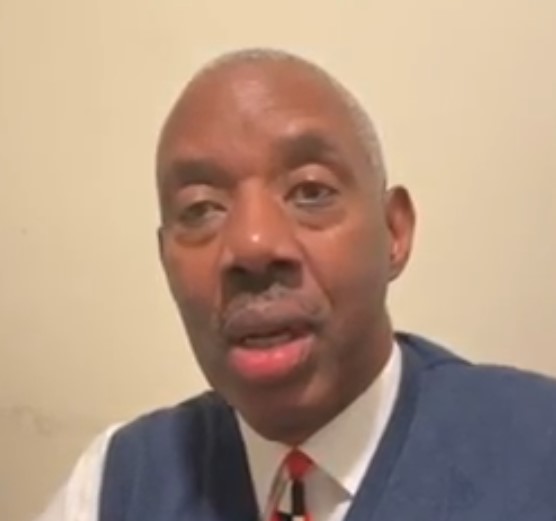
Real investors share their experience with ForeclosuresDaily.com in short video reviews and press releases.








Skip tracing New York: FAQ
Short general answers. This is not legal advice. Tap a question to open it.
QWhat is skip tracing?
Finding a property owner’s current contact details from public records and licensed data.
QWhat is a cease and desist zone?
An area where owners can opt out of being solicited by real estate licensees.
QWhat is HETPA?
New York’s Home Equity Theft Prevention Act, which protects owners in foreclosure.
QWhat is ACRIS?
New York City’s online system for deeds, mortgages and other property records.
QCan I text owners I find?Yes
Only within federal and New York rules. Scrub lists and get consent where required.
QCan owners claim tax foreclosure surplus?
Yes. A 2024 law lets former owners claim surplus money.
Want New York owner leads? Tell us your target counties and we will help you choose probate, tax delinquent and absentee owner leads with contact data.
Find more New York owners and deals
From East New York, Canarsie and Jamaica to Buffalo, Rochester, Syracuse, Albany and Utica, many New York deals depend on finding heirs and owners who moved away. Investors and agents who follow New York’s homeowner protections and reach out honestly close more deals and keep their licenses.
ForeclosuresDaily.com supplies probate, tax delinquent, absentee owner and preforeclosure leads across New York. Explore our lead products.